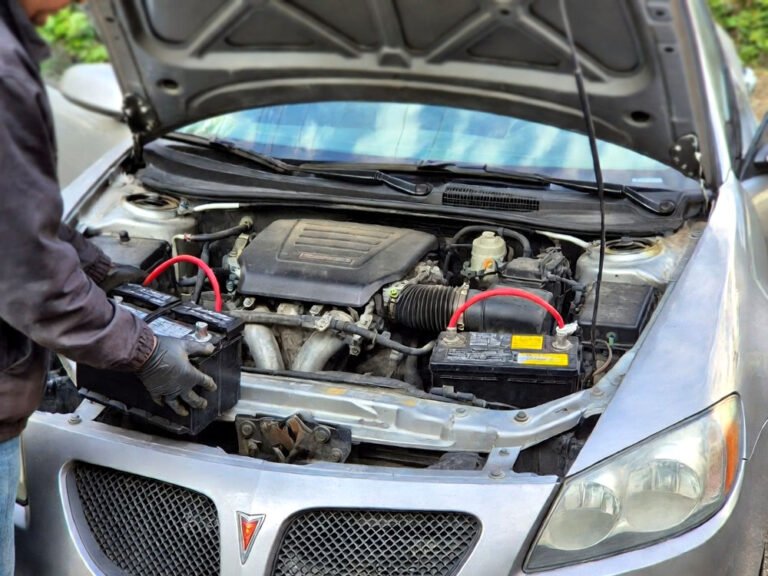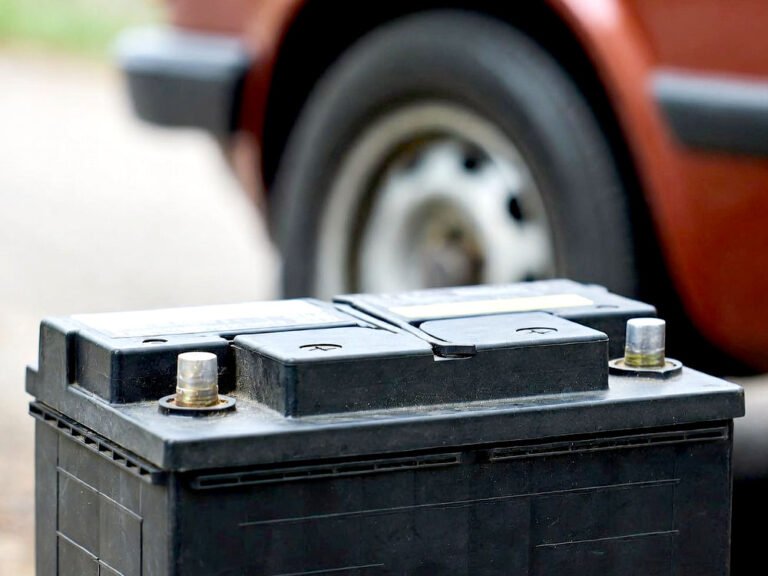


We all love that smooth drive where everything just works. But one day, your headlights start to dim while you cruise at night, or your car feels sluggish and stalls out of nowhere. Many drivers face this scary moment when their vehicle suddenly loses power on the road. A bad alternator often causes these issues. It fails to charge the battery properly as you drive. This small part keeps your car’s electrical system alive after the battery starts the engine. When it goes bad, trouble builds fast. Spotting the signs early saves you from big headaches and costly tows.
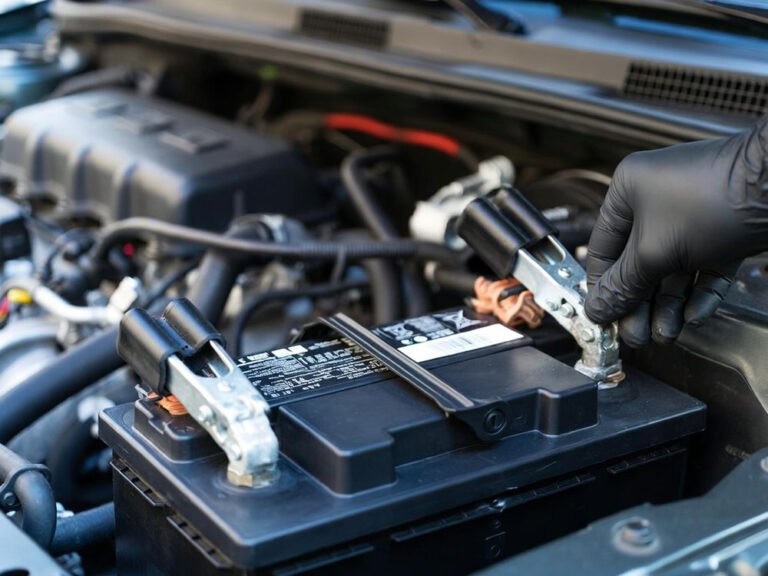
First, watch for the battery warning light on your dashboard while the engine runs, as this often points right to alternator trouble. Next, check if your headlights dim, flicker, or get too bright, especially when you idle or use other power items. Then, notice if your car struggles to start or dies soon after you jump it, since the alternator cannot keep the battery charged. Also, listen for strange whining or grinding noises from the engine area and smell for burning rubber near the belt. Finally, test with a simple voltmeter if you can, look for voltage around 13.5 to 14.5 volts when the engine runs to confirm the alternator works right. Act on these clues fast to avoid getting stuck.
Warning Lights Come On
The first thing many people notice points straight to the dashboard. A battery-shaped light or sometimes an ALT light pops up while you drive. People often think this means the battery died, but it usually signals a charging system problem. The alternator handles the job of keeping power steady after the engine starts. When it weakens, voltage drops, and the car warns you right away. This light might flicker on and off at first, or stay solid as things get worse. Do not ignore it, because it gives you time to fix the issue before you end up stuck.
This warning shows up because the alternator fails to send enough power back to the battery. Your car relies on steady voltage for everything from lights to the fuel system. When that drops below normal, the computer spots it and lights up the dash. Many drivers see this light during long drives or when they turn on extras like the AC. It feels scary at first, but it acts like an early alert. Get it checked soon, and you avoid bigger problems down the line.
Another detail helps here. If the light comes on only when the engine runs and not just when you turn the key, it leans toward the alternator more than the battery alone. A quick stop at a mechanic or even a simple voltage check at home can tell you more. Stay calm, pull over safely if it happens, and plan your next move. This sign saves many people from sudden breakdowns.
- Dashboard battery or ALT light appears while driving
- Light may flicker or stay on steadily
- Often mistaken for just a battery issue
- Acts as an early warning from the charging system
Lights Dim or Flicker
Headlights and dash lights tell you a lot about your alternator health. When they start to dim slowly or flicker, especially at idle or when you add load like turning on the radio, it means power supply wavers. The alternator should hold steady voltage no matter what. But as it fails, output drops, and lights suffer first because they need constant power. You might notice this most at night when bright beams suddenly look weak.
Flickering happens when the alternator struggles to keep up. Rev the engine a bit, and lights may brighten for a second, then dim again. This rollercoaster effect feels unsettling and points to inconsistent charging. Interior lights, like the ones in the cabin or on the gauges, show the same behavior. Turn on wipers or defroster, and it gets worse fast. These changes happen because electrical demand spikes, and a weak alternator cannot handle it.
Over time, this issue grows. What starts as slight dimming turns into serious safety risks, like poor visibility on dark roads. Pay attention to how lights act when you first start the car versus after driving a while. A good alternator keeps everything bright and steady. When it goes bad, you see these clear visual clues right away. Address it early to keep safe and comfortable on every trip.
- Headlights and interior lights dim noticeably
- Flickering occurs especially under load or at idle
- Lights may brighten briefly when you rev the engine
- Gets worse with added electrical accessories
Strange Noises from the Engine
Listen closely under the hood for unusual sounds. A bad alternator often makes whining, grinding, or squealing noises. These come from bad bearings inside the alternator or a slipping drive belt. The alternator spins with the engine via a belt, so wear shows up as audible problems. You hear it most when the engine idles or when you rev it lightly.
The whine usually builds as the alternator struggles. It sounds like a high-pitched hum that gets louder over time. Grinding means bearings fail and parts rub wrong inside. Squealing points to the belt slipping because the alternator seizes a bit. These noises mix with normal engine sounds at first, but they stand out when you pay attention. Open the hood and listen carefully to pinpoint them.
Do not wait if you hear these. Noises mean parts wear fast, and failure follows soon. A quick look at the belt for cracks or looseness helps too. Tight belts sometimes quiet the squeal temporarily, but they do not fix a bad alternator. Get professional help when sounds appear to avoid complete breakdown. Your ears give you one of the clearest early signs.
- Whining or humming from the alternator area
- Grinding noise indicates worn bearings
- Squealing often from a slipping belt
- Noises get louder with engine revs or load
Battery Drains Quickly or Goes Dead
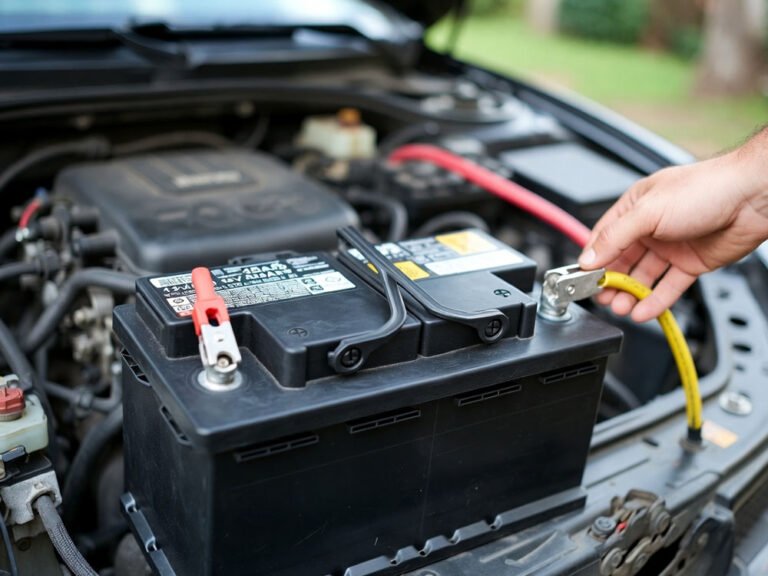
A failing alternator stops recharging the battery as you drive. You end up with a dead battery even after short trips. The car starts fine at first because the battery has some charge, but soon it drains completely. Jump starts work for a bit, but the car dies again quickly without the alternator support. This cycle frustrates many drivers.
The battery acts like a storage tank for power. The alternator refills it constantly. When the alternator weakens, the tank empties fast. Accessories like lights, radio, and fans pull power directly, speeding up the drain. You might notice slow cranking or clicking when you try to start. Even after a full charge overnight, the battery dies again on the next drive.
Test this by checking if the car runs fine right after a jump but stalls soon after. That pattern screams alternator trouble. Keep an eye on how long the battery holds charge. Regular short trips make this worse since the alternator gets less time to recharge. Fix it before you face repeated dead battery moments.
- Battery dies quickly even after jumps
- Car starts but stalls shortly after
- Slow cranking or clicking on startup
- Power drains faster with electrical use
Electrical Accessories Act Up
Power windows, radio, AC, and other gadgets start to fail or work slowly. A bad alternator cannot supply steady power to these items. They need consistent voltage, but fluctuations cause glitches. Windows move sluggishly, radio cuts out, or AC blows weak air. These issues build gradually and affect daily comfort.
The alternator powers everything once the engine runs. When output drops, high-demand items suffer most. You turn on the heater or stereo, and other things dim or stop. This happens because the system prioritizes basics like ignition over extras. Notice how accessories perform worse when multiple run at once.
These signs feel annoying at first but turn serious. A failing system stresses the whole car. Check if things improve when you rev the engine, as higher RPMs sometimes boost weak alternator output briefly. Spot this pattern early, and you catch the problem before total failure.
- Power windows slow or struggle
- Radio or infotainment glitches
- AC or heater performs poorly
- Multiple accessories fail together
Engine Stalls or Struggles to Run
The engine may stall while driving or feel rough. Without steady power from the alternator, spark plugs and fuel systems lose strength. The car hesitates, loses speed, or shuts off completely. This danger hits hardest on highways or in traffic.
Stalling occurs because electrical components like ignition coils need constant voltage. A weak alternator drops that voltage, and the engine misfires or quits. You might feel vibrations or sluggish acceleration too. These symptoms worsen under load, like going uphill or with AC on.
Act fast when the engine acts up this way. Pull over safely if it stalls. Many drivers link this to fuel issues first, but check the charging system too. A good alternator prevents these scary moments and keeps the drive smooth and reliable.
- Engine stalls suddenly while driving
- Rough idle or hesitation
- Loss of power during acceleration
- Worse with added electrical load
Final Thoughts
Spotting symptoms of a bad alternator early keeps you safe and saves money. Watch those dashboard lights, listen for noises, and notice dim lights or quick battery drain. Do not wait for the car to die completely. Take it to a trusted mechanic for a quick test, often free at auto parts stores. Replace the alternator if needed, and enjoy worry-free drives again. Stay alert to these signs, and your car will thank you with reliable performance every time.
| Symptom | What It Looks/Feels Like | Quick Action Tip |
|---|---|---|
| Warning Light On | Battery or ALT light glows on dash while running | Check voltage or visit mechanic soon |
| Dim/Flickering Lights | Headlights weaken or pulse, especially at idle | Test with accessories on, avoid night driving |
| Strange Noises | Whine, grind, or squeal from engine bay | Inspect belt and listen at idle |
| Dead Battery Quickly | Car dies soon after jump or short drives | Charge battery and retest while running |
| Accessories Fail | Windows slow, radio cuts, AC weak | Limit use of extras until fixed |
| Engine Stalls | Car shuts off or hesitates while driving | Pull over safely, get towed if needed |
| Slow Cranking | Starter clicks or turns engine slowly | Jump start and monitor voltage |
| Burning Smell | Rubber or hot wire odor near engine | Stop driving, check belt and alternator area |
Frequently Asked Questions (FAQs)
Is it safe to drive with a bad alternator?
No, it feels risky to keep driving once you spot clear signs. The alternator stops charging the battery, so power fades fast. You might lose lights, engine power, or stall in traffic. Short trips to a mechanic work if symptoms stay mild, but long drives often end in breakdowns. Pull over if things worsen. Fix it soon to stay safe and avoid stranding.
Can a bad alternator damage the battery?
Yes, it harms the battery over time. A failing alternator undercharges or sometimes overcharges, which stresses the battery cells. The battery works harder without recharge, leading to quick failure. You end up replacing both parts if ignored. Regular checks prevent this double expense and keep everything healthy longer.
Do I need to replace the battery if the alternator is bad?
Not always right away. Test the battery first after fixing the alternator. Many times, the battery survives if caught early. But if it drained deeply many times, it weakens and needs replacement too. A mechanic checks both with tools to give clear advice. Save money by testing properly instead of guessing.
Is a bad alternator the same as a dead battery?
No, they differ a lot. A dead battery fails to start the car but charges fine once jumped if the alternator works. A bad alternator causes ongoing drain even after starts, and jumps last only minutes. Warning lights and dimming while running point to alternator more. Know the difference to fix the real issue fast.
Can a bad alternator cause check engine light?
Yes, it triggers the check engine light sometimes. Low voltage affects sensors and computer performance. The system detects irregular charging and sets codes. Scan for codes to confirm. Not every case lights this up, but when it does, alternator trouble often sits behind it along with other signs.
Do I need special tools to test a bad alternator?
Basic tools help a lot. A simple voltmeter checks voltage at the battery with the engine running. Look for 13.5 to 14.5 volts. Many auto stores test free. No fancy gear needed for starters. If unsure, pros handle it quickly and safely.
Is it expensive to fix a bad alternator?
Costs vary by car model, but many find it reasonable. Parts range affordably, and labor takes a few hours. DIY folks save more if skilled. Delaying makes it worse with towing or extra damage. Budget for it when signs appear to keep surprises low.
Can I recharge the battery and keep driving with a bad alternator?
It works for very short distances only. The battery holds charge briefly, but it drains fast without recharge. You risk stalling far from help. Better to tow or fix soon. Relying on battery alone leads to repeated issues and frustration.