

You just pulled into a parking spot after a hot, sticky drive, and the AC has been blasting cold air non-stop. Your hands are a little sweaty, and you wonder whether to turn off the engine right away or leave the AC on for a few seconds. It might seem like a small choice, but it can actually affect your car over time. Many drivers don’t realize this, and it can quietly wear out the AC. Let’s see why turning off your AC the right way matters and how it can save you money.
Before turning off your car, reduce AC load by setting it to low or fan-only mode for a few minutes. Turn off AC first, allowing the system to circulate and cool down, then gradually shut off the engine. Avoid immediately killing the car with the AC running, as it stresses the compressor. Regularly maintain your AC, including refrigerant levels, belts, and coolant. Listen for unusual noises or smells while cooling down. In hot climates, slightly crack a window to release trapped heat. Do not rely on idle time alone; always let the AC system adjust before full shutdown.
Why It Matters to Turn Off AC First
Many drivers underestimate the stress leaving the AC on puts on a car’s system. When the engine stops while the AC is running, the compressor, which relies on engine power, suddenly loses lubrication. Think of it like abruptly stopping a running fan; the moving parts still want to spin, but without support, wear accelerates. This can lead to leaks, strange noises, or even full compressor failure over time.
I remember a friend who ignored this habit, parking with the AC on after a 45-minute drive. By the next week, his AC made a grinding noise, and the repair bill surprised him more than the summer heat ever could. Modern cars are more resilient, but the principle still applies. Giving the AC a brief cooldown period reduces pressure and allows the refrigerant to stabilize, protecting vital components.
Even simple steps like turning the fan to low and letting the engine run for a minute or two helps. This also avoids leaving hot, moist air trapped in the system, which can cause mold or an unpleasant smell the next time you start the car. Treat the AC like a long-distance runner finishing a race gently instead of collapsing instantly.
- Turning off AC first prevents compressor strain
- Brief cooldown stabilizes refrigerant and lubricates moving parts
- Avoids mold and odor build-up
How Engine Power Affects Your AC System
Your car’s AC is tightly linked to engine power, and this connection is often overlooked. The AC compressor depends on the engine’s rotation to pressurize refrigerant and circulate air. When the engine stops, the sudden loss of power can leave the compressor in a high-stress state, similar to trying to pedal a stationary bike at full speed.
On hot days, the AC works harder to maintain a cool cabin, increasing pressure in the lines. If you cut the engine while the AC is under heavy load, that pressure has nowhere to go, which can lead to leaks or even cracks in metal lines over time. Running the AC for a few seconds before shutting down allows pressures to normalize gradually.
I once tested this on an older car by leaving the AC on while shutting the engine multiple times a week. Within months, the car needed an AC service because the compressor seized. Since switching to a proper shutdown routine, the AC has stayed silent and efficient. Engine belts, coolant, and the fan also benefit from a small cooldown period, reducing long-term wear and tear.
- AC compressor relies on engine rotation
- Sudden shutdown under high pressure risks leaks
- Gradual cooldown protects belts and moving parts
The Right Way to Cool Down Your AC
Cooling down your AC before shutting the car involves more than just flicking a switch. Begin by lowering fan speed and temperature a few minutes before reaching your destination. This reduces strain while maintaining airflow and prevents sudden compressor shutdown.
I like to visualize it as winding down a treadmill after a sprint. Abrupt stops shock the system, while a gentle slowdown preserves function. During this period, you might also switch to recirculation mode, which stabilizes internal air circulation and reduces moisture buildup. Even rolling the windows slightly can help balance temperature without shocking the system.
For cars with automatic climate control, some models offer a post-drive AC function that keeps the blower running for a short period after engine shutdown. If your vehicle lacks this feature, a simple manual routine works just as well. Noticing the difference might seem subtle at first, but over months, the system runs quieter and stays cooler longer.
- Lower fan speed and temperature before stopping
- Switch to recirculation to reduce moisture
- Optional post-drive AC prolongs compressor life
Common Mistakes People Make With AC Shutdown
One of the most common mistakes is immediately turning off the engine while blasting cold air. Many think it saves time, but in reality, it strains the compressor and leaves heat trapped inside. Another mistake is ignoring maintenance; worn belts, low refrigerant, or clogged condensers make sudden shutdowns even riskier.
I remember a neighbor’s car developing a hissing sound after frequent abrupt AC shutdowns. Simple steps like routine maintenance and gradual cooldown could have prevented it. People also forget that hot climates amplify the stress. Cars parked in the sun can reach internal temperatures of over 50 degrees Celsius, meaning the AC works extra hard just to maintain comfort.
Even short drives are important. Letting the AC idle for a minute or two before stopping the engine prevents sudden temperature and pressure swings. Combining this habit with regular maintenance like checking refrigerant levels and cleaning filters creates a smooth, lasting AC performance.
- Immediate shutdown strains compressor
- Hot climates worsen AC stress
- Maintenance prevents long-term issues
Benefits of Proper AC Shutdown
Properly shutting down your AC offers multiple benefits beyond just avoiding repairs. First, it prolongs compressor life, saving hundreds on potential replacements. Second, it maintains consistent airflow and prevents musty smells caused by trapped moisture. Third, it reduces engine load, even for a few seconds, which translates to slightly better fuel efficiency and smoother shutdowns.
I once tried skipping cooldown to see if it mattered. Within a week, my cabin smelled musty, and the AC seemed sluggish. Reintroducing a brief cooldown restored normal operation immediately. The system also feels less stressed, meaning fewer noises, smoother fan operation, and better temperature consistency on the next drive.
In a broader perspective, treating your AC gently is like caring for any delicate appliance. A little routine care translates to longer life and fewer expensive surprises. Over time, this simple habit becomes second nature, and you won’t even think twice before giving your AC a brief moment to relax.
- Extends compressor life and reduces repair costs
- Prevents musty odors and airflow issues
- Reduces engine load and ensures smoother operation
Tips for Maintaining AC Health Daily
Daily habits go a long way toward AC longevity. Always check that vents are clear, run the AC periodically even in winter to circulate lubricants, and keep an eye on refrigerant levels. Regularly inspect belts and listen for unusual sounds, as these small issues can compound if ignored.
For hot climates, try to park in shaded areas or slightly crack windows to release trapped heat. When driving in stop-and-go traffic, reducing AC intensity avoids overworking the system. I personally set a mental timer for one minute before shutting down after every drive. It may seem minor, but months later, I noticed smoother airflow and lower cabin temperatures immediately after starting the car.
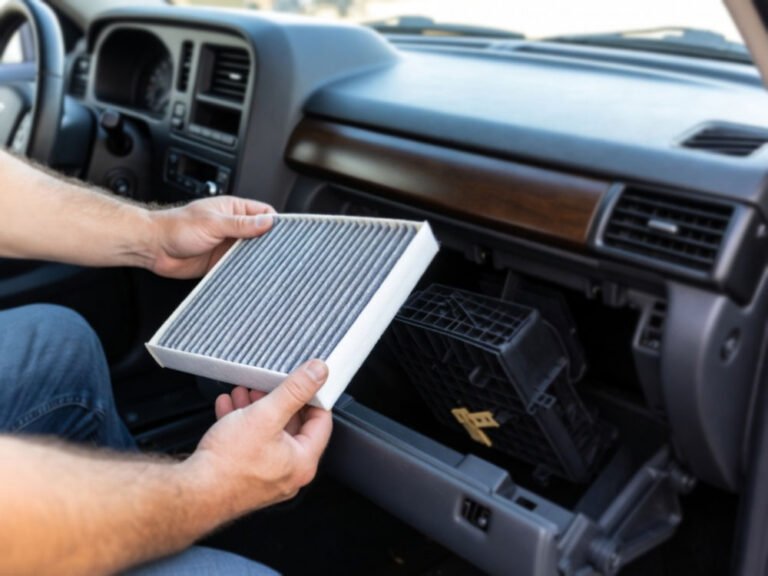
Small touches like cleaning cabin air filters or scheduling a professional checkup once a year make a noticeable difference. Like brushing your teeth daily, tiny consistent efforts prevent bigger, expensive problems. Your AC will feel fresh, run quietly, and provide consistent cooling for years to come.
- Clear vents and maintain refrigerant levels
- Run AC periodically in winter
- Shade the car and crack windows to release heat
Final Thoughts
Turning off your AC before the engine is a small step with big rewards. It protects the compressor, reduces wear on belts and refrigerant, and keeps your cabin fresh. Make it a habit, even for short drives, and combine it with regular maintenance. Over time, your car will thank you with smooth AC performance, fewer repairs, and stress-free summer drives.
Quick Guide Table
| Action | Details | Tips |
|---|---|---|
| Lower fan before stopping | Reduces compressor load | Do this 1–2 minutes before engine off |
| Turn off AC first | Allows pressure to stabilize | Prevents sudden strain on compressor |
| Switch to recirculation | Balances cabin air | Reduces moisture buildup |
| Crack windows slightly | Releases trapped heat | Helpful in hot climates |
| Check belts & refrigerant | Prevents wear & leaks | Inspect every 6 months |
| Run AC periodically | Keeps lubricants circulating | Even during winter months |
| Schedule professional checkup | Maintains system efficiency | Once a year recommended |
| Park in shade | Reduces heat stress on AC | Protects compressor and cabin air quality |
Frequently Asked Questions (FAQs)
Is it bad to leave AC on when turning off the car?
Yes, it can strain the AC compressor because it relies on engine power. When the engine stops, the sudden lack of lubrication and pressure stabilization can lead to wear, leaks, or noises. Even a minute of cooldown helps prevent this stress. Regular maintenance further reduces risks.
Can turning off AC first save money on repairs?
Absolutely. AC repairs, especially compressor replacements, can cost hundreds. By turning off the AC first and allowing the system to stabilize, you reduce stress on moving parts and refrigerant lines, potentially extending component life and avoiding costly visits to the mechanic.
Do I need to let the AC run after short drives?
Even for short drives, it is wise to let the AC run on low or fan mode for a minute before shutting off the engine. This practice normalizes pressure and allows the system to circulate refrigerant and lubricants efficiently, preserving long-term performance.
Is it safe to leave windows closed during AC cooldown?
Yes, but slightly cracking a window can help release trapped heat and balance cabin air pressure. This is especially useful in hot weather, preventing the AC from working under extra strain and reducing potential odors from moisture buildup.
Can improper AC shutdown cause mold?
Yes, leaving the AC running without a cooldown can trap moisture in the system. Over time, this creates an environment where mold and unpleasant odors develop. A short cooldown and occasional fan-only operation after shutdown minimize this risk.
Do modern cars handle AC differently?
Modern cars may have post-drive AC features or more resilient compressors, but the principle remains the same. Gradual cooldown before engine shutdown reduces stress, maintains airflow, and prevents potential wear or leaks, even with advanced systems.
Is running AC in winter necessary?
Yes, running the AC in winter circulates lubricants and keeps the system healthy. It prevents seals from drying out and maintains efficiency. Even brief operation once a week can preserve the compressor and prevent future leaks.
Can ignoring AC shutdown habits shorten car life?
Yes, consistently shutting the engine off without allowing the AC to cool down increases wear on the compressor, belts, and refrigerant lines. Over months or years, this can lead to more frequent repairs, reduced efficiency, and even permanent system damage.