

We all love that cozy feeling when we step into a warm car on a freezing morning or a cool one after a hot day. Many folks worry though. They think remote start hurts the engine or wastes fuel. Some old ideas make people scared to use this handy feature. Modern cars handle it well most times. The truth surprises many drivers. Remote start brings comfort without big harm when you use it right.
Use remote start for short times only, like 5 to 10 minutes max to warm or cool the car. Always drive gently right after you get in so the engine reaches full heat under light load. Check your oil often if you use it a lot in very cold weather to avoid any moisture buildup. Pick a good quality system installed by a pro to keep everything safe and working smooth. Limit use in super hot weather to save fuel and reduce extra idling stress. Follow your car manual for any special tips on starting and warming up.
How Remote Start Works in Your Car
Remote start lets you turn on the engine from far away with a key fob or phone app. The system sends a signal to start the car just like you would with the key. It runs the engine, heater, or air conditioner for a set time. Most systems shut off after 10 to 15 minutes if no one gets in. This keeps things safe and saves fuel.
Modern cars have computers that control everything. When remote start kicks in, the car stays in park. It locks the doors in many cases. Safety features stop the car from moving unless you use the key or brake. The engine gets oil moving right away. This helps parts get lubricated fast.
People often use it in winter to melt ice on windows or in summer to cool the inside. The feature runs the blower fans too. Good systems add safety like checking for low oil or other problems before they start. Poor installs can cause issues but pro work avoids that.
This tool makes life easier on tough weather days. It gives you comfort without extra effort. Many new cars come with it built in now. Aftermarket ones work great too when done right.
- Remote start signals the engine to run without you inside.
- It controls heat or cool plus fans for comfort.
- Safety locks and time limits keep things secure.
- Modern setups watch for basic engine health.
Does Remote Start Cause Engine Wear?
Many drivers fear extra engine wear from remote start. Old cars had issues with long idles but modern ones do fine. Engines today use better oil and materials. Short idles do not hurt much. The real wear comes from cold driving not short warm ups.
When you remote start, oil flows and parts warm slowly. This reduces stress compared to driving off ice cold. Experts say brief idling helps in extreme cold. It lets oil thin out so parts move easy. Long idles waste fuel but short ones stay okay.
Some say idling builds moisture in oil over time. This happens more if you never drive far. Regular drives burn it off. Use remote start smart and change oil on time. No big proof shows major damage from normal use.
Cars with turbo or direct injection need care. Short warm ups help them too. Drive gentle after you enter to heat things fully. This way you get the best of both worlds.
- Short idles from remote start cause little wear.
- Better than cold hard driving right away.
- Moisture risk stays low with regular drives.
- Follow oil change schedule always.
Fuel Use and Battery Impact from Remote Start
Remote start uses some gas while the car idles. Most people run it 5 to 10 minutes. This burns little fuel maybe a cup or two. It adds up if you do it every day but stays small overall. Modern engines sip fuel at idle.
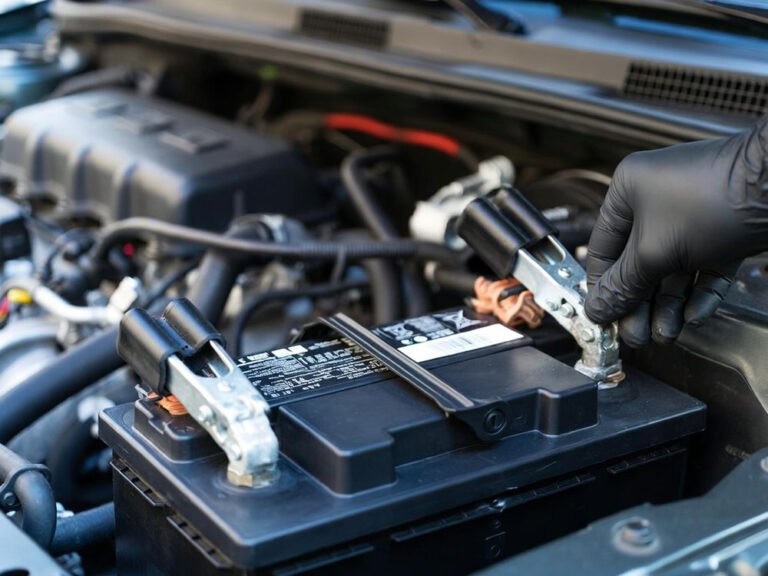
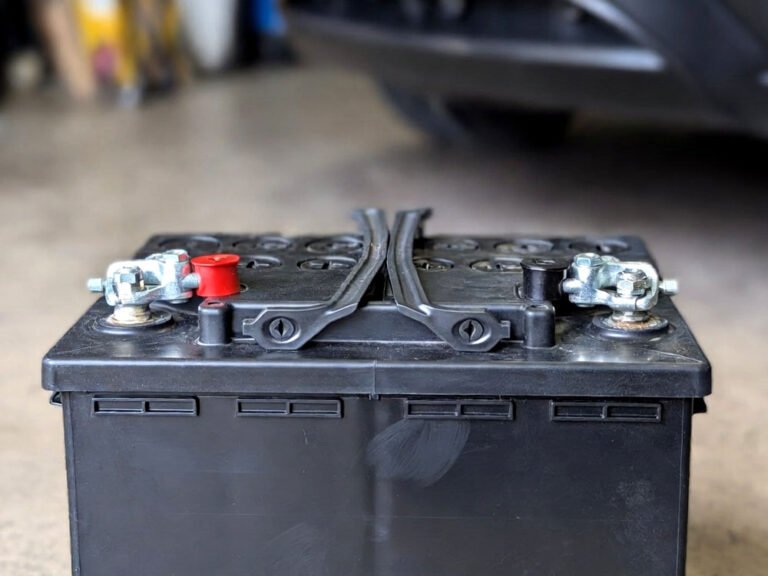
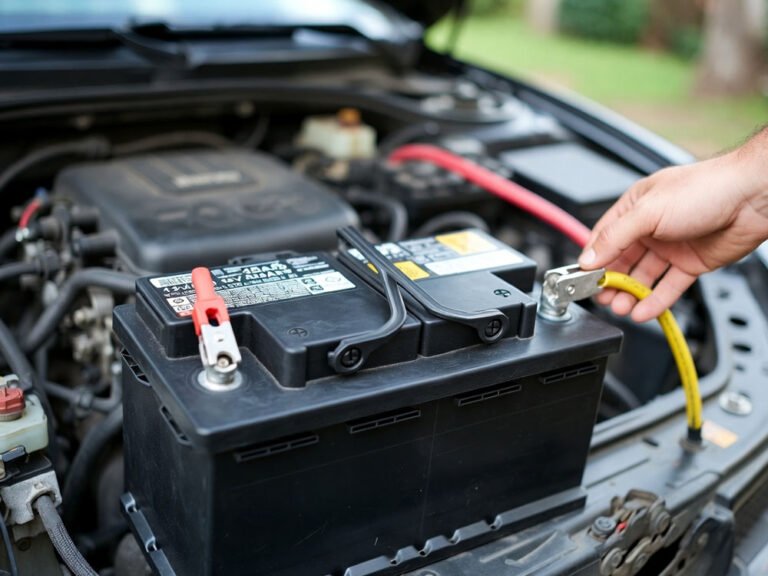
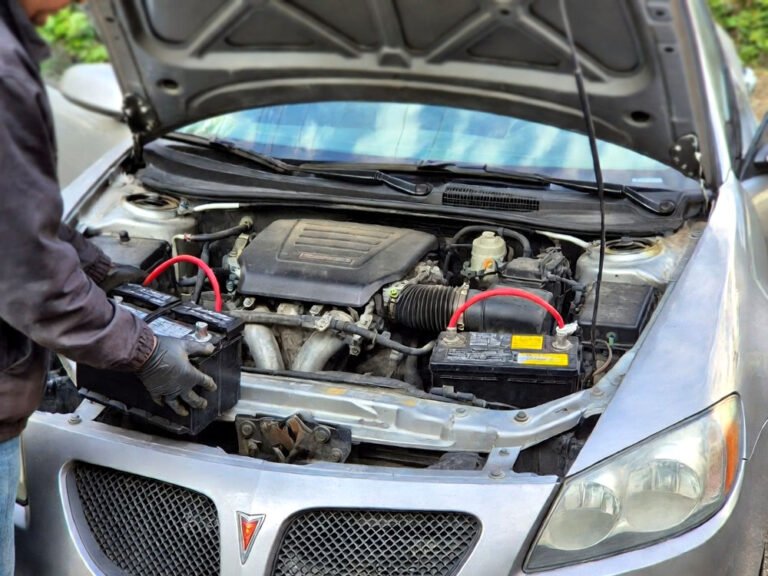
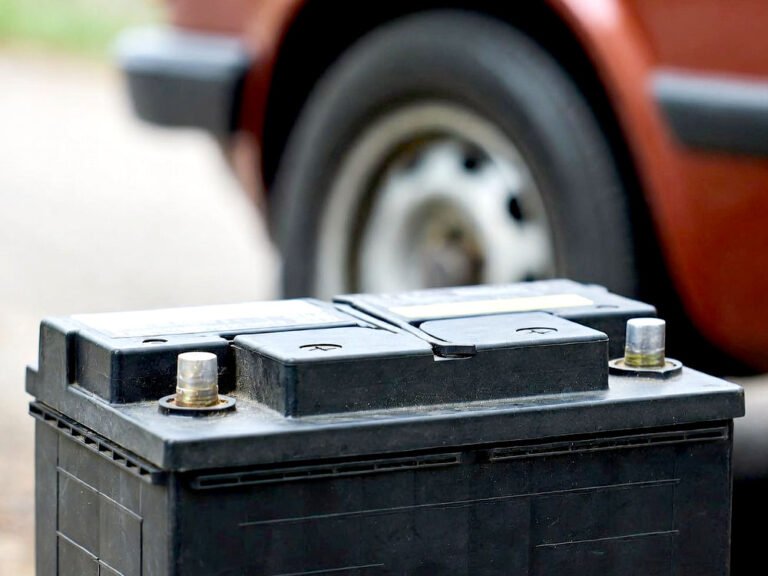
The battery takes a hit from extra starts. Each start pulls power. Remote ones count like normal starts. Good batteries handle many cycles. Weak ones struggle more. Check battery health yearly especially in cold places.
Alternator charges the battery once running. Short runs do not drain it much. Long forgotten idles can hurt. Systems shut off auto to prevent that. Use it when needed not every time.
Fuel and battery worries stay minor for most. Balance comfort with smart use. Park in shade or garage to need it less.
- Short runs use tiny fuel amounts.
- Battery drains similar to key starts.
- Auto shut off saves power.
- Check battery if you use it often.
Safety Tips When Using Remote Start
Always look around before you hit the button. Make sure no kids pets or people near the car. Exhaust fumes hurt in closed spaces. Never use in a garage with doors shut.
Systems need good install to work safe. Bad wiring causes fires or shorts. Pick certified pros for aftermarket kits. Factory ones follow strict rules.
Some cars need extra safety like brake press to drive after remote start. This stops roll aways. Know your system rules.
Use it for comfort not long warm ups. Drive soon after you get in. This keeps engine happy and safe.
- Check area for safety before starting.
- Get pro install for best results.
- Follow car specific rules.
- Drive gentle after entry.
Pros and Cons of Having Remote Start
Remote start gives big comfort in bad weather. Warm car ready when you are means happy drives. It clears windows fast so you see better. Cool car in heat helps too.
It adds value if you sell the car later. Many buyers love this feature. It makes mornings easier and less stressful.
On the down side it costs money to add if not factory. Install fees add up. Fuel use ticks up a bit. Theft risk rises if someone takes the fob but good systems have codes.
Battery and starter see more use but not bad. Overall pros win for most people in tough climates.
- Comfort tops the list of benefits.
- Better visibility from clear windows.
- Extra resale value often.
- Small cost and fuel trade offs.
Common Myths About Remote Start Debunked
People say remote start kills engines fast. No real proof backs this for modern cars. Short use stays safe. Experts agree little harm comes.
Another myth claims it voids warranty. Most makers allow it if installed right. Check your manual or dealer first.
Some think it makes cars easy to steal. Good systems use rolling codes and kill switches. They add security not take it away.
Battery drain myths scare folks too. Normal use does not kill batteries quick. Regular checks fix that.
- Engine damage myth lacks strong proof.
- Warranty stays safe with pro install.
- Theft risk drops with good systems.
- Battery holds up fine normally.
Final Thoughts
Remote start brings real joy and ease to driving in rough weather. Use it wisely with short times and gentle drives after. Pick quality setups and keep up maintenance. Your car stays happy and you enjoy comfort. Give it a try if it fits your needs. Safe happy drives await you.
| Action | Details | Tips |
|---|---|---|
| Use short cycles | Run 5 to 10 minutes max | Set timer to avoid long idles |
| Drive gently after | Start moving soon and easy | Helps full warm up under load |
| Check oil regularly | Look for level and condition | More often in extreme cold |
| Professional install | Choose certified experts | Avoid DIY risks |
| Know safety rules | No garages closed doors | Prevent fume dangers |
| Monitor battery | Test yearly | Replace if weak |
| Follow manual | Read car specific advice | Some models have limits |
| Use when needed | Not every single start | Balance comfort and care |
Frequently Asked Questions (FAQs)
Is remote start bad for modern engines?
Remote start stays safe for most modern engines. Short idles help oil flow and reduce cold start stress. Old ideas about big wear come from older cars. Today engines use better tech. They handle brief runs fine. Drive gentle after you get in to heat everything right. No major damage shows up from normal use. Keep oil changes on time and you stay good.
Can remote start hurt my car battery?
Remote start adds extra starts which pull battery power. Each one uses some juice like a normal key start. Good batteries take it well. Weak ones feel it more. Modern systems shut off auto to save power. Check battery health often especially in cold. Replace when needed. Short uses do not drain it fast.
Does remote start use a lot of fuel?
Remote start burns fuel during idle time. Short 5 to 10 minute runs use little maybe a small cup. It adds up over many days but stays low overall. Better than long warm ups in old thinking. Use it smart for comfort without waste. Park smart to need it less.
Is it safe to remote start in a garage?
Never remote start in a closed garage. Fumes build up fast and hurt health. Open doors wide or stay outside. Carbon monoxide risks stay real. Use it in open air only. Safety first always.
Can remote start cause transmission problems?
Remote start does not hurt transmission. Car stays in park during run. No shifting happens. Fluid warms a bit which helps. Drive normal after entry. No extra wear shows up there.
Do I need a professional to install remote start?
Yes get a pro for install. Bad wiring causes big issues like fires or shorts. Certified techs know cars well. They follow safety rules. Factory ones come ready. Aftermarket needs expert hands.
Is remote start okay for turbo cars?
Remote start works fine for turbo cars. Short warm ups help oil reach turbo parts. Drive easy after to avoid stress. Many owners use it daily with no trouble. Follow good habits.
Can remote start make my car easier to steal?
Good remote start systems add security. They use codes and kill switches. Bad cheap ones risk more. Quality setups make it harder for thieves. Lock fob away safe.