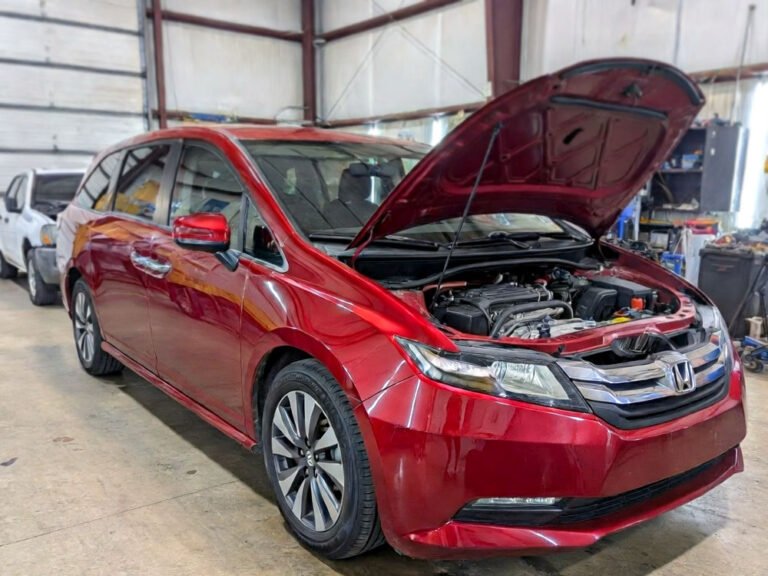


Do you smell something like old gym socks when you turn on your AC? It happens to the best of us because we forget that tiny filter hiding in the dash. You’re likely tired of breathing dusty air or paying a mechanic fifty bucks for a two minute job. I will show you how to change cabin air filter in Honda Pilot models so you can breathe fresh air today.
You need to clear out your glove box first and then find the plastic stops on the sides to let the door drop down. Next, you locate the rectangular plastic cover and squeeze the tabs to pull it straight out toward you. After that, you slide the old dirty filter out while making sure you don’t spill any dry leaves into the fan. You must check the arrows on your new filter to match the airflow direction before sliding it into the empty slot. Finally, you snap the cover back on and lift the glove box door until the stops click back into their original spots.

Why Does Your Honda Need a New Filter Every Year?
Your car is like a big vacuum cleaner that sucks in everything from the road. It grabs pollen, exhaust fumes, and even tiny bits of tire rubber while you drive to work. The cabin filter stops all that junk from getting into your lungs. If you leave it too long, the filter gets clogged and your AC has to work twice as hard to keep you cool.
A dirty filter can also make your windows fog up faster on rainy days. This happens because the air can’t move through the thick layer of dust. You might notice a whistling sound or a weak breeze coming from the vents. Replacing it is the cheapest way to make your car feel brand new inside. Most people wait until it smells bad, but you should really do it before that happens.
I always tell my friends to check the filter after pollen season or a long road trip. It only takes a minute to look at it. If it looks gray or has leaves stuck in it, toss it out. Buying a good charcoal filter can also help if you have allergies or live in a smelly city. It’s a small change that makes a huge difference for your health.
- Better air flow for your heater.
- Less dust on your dashboard.
- Lower stress on your blower motor.
- Removal of bad smells.
- Fewer allergens inside the car.
- Clearer windows during winter.
The Best Way to Change Cabin Air Filter in Honda Pilot
Empty out Your Glove Box Completely
You might think you can leave a few napkins in there, but don’t do it. Everything will slide out onto the floor the moment you release the door. I’ve seen people lose tiny screws or coins deep under the carpet because they were lazy. Take every single thing out and put it on your seat so you have a clean workspace.
Once the box is empty, look at the sides for the plastic arms or stops. These are the parts that keep the door from falling on your knees. Some Pilot models have a little dampener arm on the right side. You have to unclip that first by pulling it gently toward the door. If you force it, the plastic might snap, so just give it a soft tug.
An insider secret is to do this on a warm day. Plastic gets very brittle when it’s freezing outside. If it’s winter, run your heater for ten minutes first to warm up the dash. This makes the clips much softer and easier to move without breaking anything. It saves you a trip to the parts department for a broken plastic hinge.
- Clear out all heavy items.
- Check for the dampener arm.
- Warm up the cabin first.
- Use a small flashlight.
Release the Glove Box Stops
Now you need to push the sides of the glove box inward. Use both hands and squeeze the walls toward the middle of the box. This pulls the rubber stops away from the dash frame. The door will then hang down low and show you the hidden treasure chest behind it. Don’t worry if it makes a little creaking sound as you move it.
If your hands aren’t strong enough, you can do one side at a time. Push the left side in and pull that corner out past the ledge. Then do the same for the right side. Sometimes these stops are stiff if the car is brand new. Just keep steady pressure on them and they will eventually pop out.
I always put a towel on the floor mat before I do this. Sometimes old leaves or pine needles fall out the second the door drops. Having a towel there makes cleanup a breeze. You won’t have to vacuum your carpet after you finish the job. It’s the little things that make a DIY job feel professional and clean.
- Squeeze both sides firmly.
- Lower the door slowly.
- Watch for falling debris.
- Keep your fingers clear.
Remove the Plastic Filter Cover
Look straight back into the opening and you will see a long, thin plastic faceplate. This is the door to the filter housing. There are usually two clips on the ends that you need to pinch. Squeeze them with your thumb and pointer finger. The cover should pull right off without any fighting or tools.
If the cover feels stuck, don’t grab a screwdriver yet. Often, a bit of sticky soda or dust has gummed up the edges. Wiggle it up and down while you pull. You should see a “Front” or “Up” mark on the plastic. Remember which way that points so you don’t put it back upside down later.
Here is a pro tip for you. Take a wet wipe and clean that plastic cover while it’s out. Dust loves to live on the edges of that door. If you put a dirty cover back on a clean filter, you’re just asking for more dust. Cleaning it now ensures a tight seal so no dirty air bypasses the new filter.
- Pinch the side tabs.
- Pull straight toward you.
- Check for the “Up” arrow.
- Wipe away any loose dirt.
Slide out the Old Dirty Filter
Reach in and grab the edge of the white or gray filter. Pull it out slowly like you’re taking a tray out of the oven. Look at it closely once it’s out. You might be shocked at what you find in there. I have found mouse nests, giant moths, and even old parking receipts in these things.
Try to keep the filter flat as you remove it. If you tilt it, all that trapped dirt will fall into your blower motor fan. If dirt gets into the fan, it can cause a loud vibrating noise or a ticking sound. If you do spill some, reach in with a small vacuum hose to suck out the bits before moving on.
My secret trick is to hold the old filter up to the light. If you can’t see any light through the pleats, it was definitely time for a change. Note the direction of the “Air Flow” arrows printed on the side of the old filter. Usually, the air flows down in a Honda Pilot, but it’s always smart to double check what was there.
- Pull the filter out flat.
- Inspect for animal nests.
- Check the airflow direction.
- Vacuum the empty slot.
Install the New Filter Correctly
Take your new filter out of the box and look for the arrows on the side. This is the most important part of the whole job. Those arrows tell you which way the air moves. In your Pilot, the air usually comes from the top and goes down. Make sure those arrows are pointing toward the floor of the car.
Slide the new filter into the slot. It should fit snugly without any gaps on the sides. If you have to crush it or fold it to make it fit, you might have the wrong part number. A perfect fit ensures that every bit of air goes through the cleaning fabric. It should feel like a hand in a glove.
I like to write the date and the mileage on the side of the filter frame with a marker. That way, if I forget when I did it, I can just peek inside next year. It takes two seconds but helps you stay on a good maintenance schedule. You’ll feel like a real mechanic with your own little logbook hidden in the dash.
- Match the airflow arrows.
- Slide it in straight.
- Don’t bend the edges.
- Mark the date on it.
Snap Everything Back Together
Now you just have to reverse what you did. Take that clean plastic cover and snap it back onto the housing. You should hear a distinct “click” on both sides. If it doesn’t click, the filter might not be pushed in all the way. Give it a firm push and try again until it’s locked tight.
Lift the glove box door up and squeeze the sides again to get the stops past the frame. If you have that dampener arm on the right, don’t forget to clip it back onto the peg. It usually just snaps right on with a little pressure. Test the door by opening and closing it a few times to make sure it moves smoothly.
Last of all, put your stuff back in the box. This is a great time to throw away those old napkins or expired insurance cards. You’ve just saved yourself about forty dollars in labor costs. Go ahead and start the engine, turn the AC on high, and enjoy that fresh, clean breeze you just created.
- Listen for the clicks.
- Reattach the dampener arm.
- Test the door motion.
- Clean out your junk.
How Often Should You Really Do This?
Most manuals say to do this every 15,000 to 30,000 miles. But if you live on a dirt road, you should do it way more often. Dust builds up fast when you’re driving in the country. I check mine every time I change my oil because it’s so easy to get to. It keeps the car smelling like a home instead of a garage.
City drivers have it tough too because of all the smog and soot. That black soot from trucks can clog a filter faster than you think. If you sit in traffic a lot, your filter is working overtime even if you aren’t moving. It’s better to spend fifteen bucks on a filter twice a year than to suffer with bad air.
If you start to notice a “sour” smell when the AC first kicks on, that’s a sign. It means moisture has stayed in the filter and grown a little mold. Don’t spray perfume into the vents to hide it. Just swap the filter out for a fresh one. Your nose and your passengers will definitely thank you for the effort.
- Every 15,000 miles normally.
- Every 10,000 miles for city.
- After every spring season.
- If you notice bad odors.
- If the AC feels weak.
- When buying a used car.
Final Thoughts
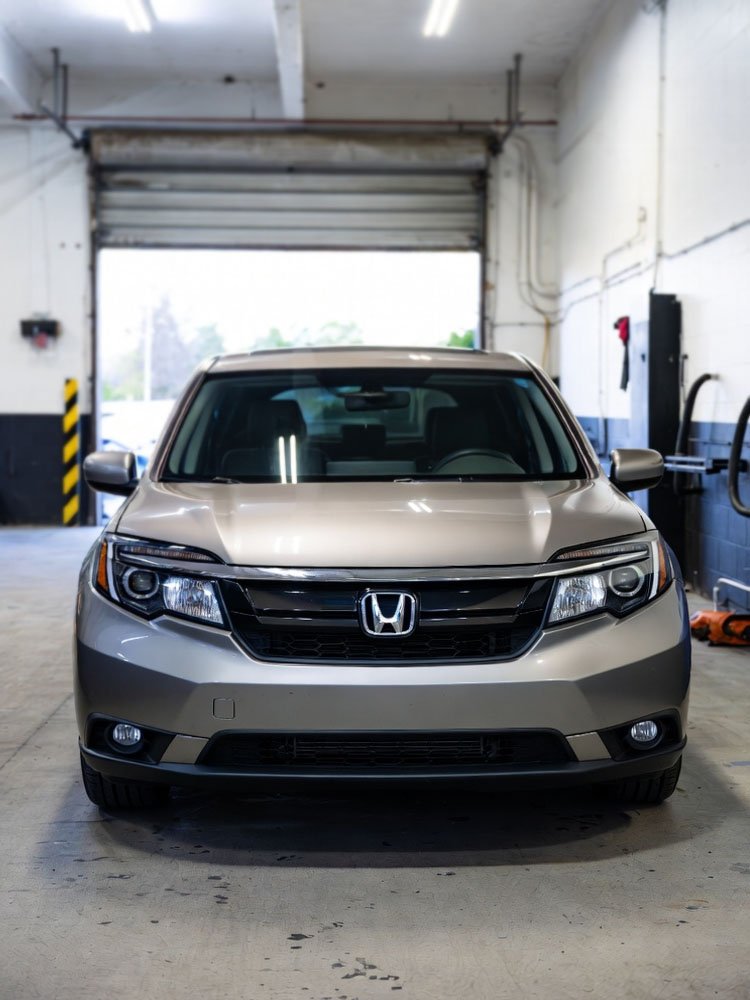
I hope you see that learning how to change cabin air filter in Honda Pilot is a total breeze. You don’t need fancy tools or a degree in engineering to get this done. Just take your time, watch those clips, and pay attention to the airflow arrows. Now that you know the secret, you can keep your family breathing clean air all year long. Go ahead and try it yourself this weekend!
| Feature | Detail |
| Time Needed | 5 to 10 minutes |
| Tools Required | None (Hands only) |
| Filter Location | Behind the glove box |
| Airflow Direction | Usually pointing down |
| Difficulty Level | Very Easy |
| Replacement Cost | $12 – $20 (DIY) |
| Dealer Cost | $50 – $80 |
| Best Interval | Once a year |
Frequently Asked Questions (FAQs)
Is It Necessary to Use a Genuine Honda Filter?
You don’t have to buy the one from the dealer. Many high quality brands make filters that fit perfectly. Some even have charcoal inside to stop smells better than the original one. Just make sure the part number matches your specific year and model of Honda Pilot.
Can I Clean and Reuse the Old Filter?
I wouldn’t recommend it at all. These filters are made of paper and fibers that trap tiny particles deep inside. Shaking it out or using a vacuum won’t get the microscopic dust out. They are cheap enough that buying a new one is always the safer and healthier choice for you.
Do I Need Any Tools for This Job?
In a Honda Pilot, you typically don’t need any tools. Your hands are enough to squeeze the glove box and pop the clips. If your dampener arm is very tight, you might use a small flathead screwdriver to help it, but usually, it’s a tool-free job for most owners.
Can a Dirty Filter Affect My Gas Mileage?
It won’t directly hurt your gas mileage like an engine filter would. However, it makes your AC blower motor work harder to push air. This puts a tiny bit of extra strain on your electrical system. While the change is very small, a clean filter makes the whole system run much smoother.
Is There More Than One Filter to Change?
The cabin air filter is the only one inside the car for the AC system. There is also an engine air filter under the hood. They do two different jobs. The cabin one cleans the air for you, while the engine one cleans the air for the car’s motor to breathe.
Do All Honda Pilot Models Work the Same Way?
Most Pilots from the last fifteen years use this exact same setup. The glove box might look a little different in older ones compared to new ones, but the steps are almost identical. Always check your owner’s manual if you feel like something is stuck or looks very different.
Can I Install the Filter Upside Down?
You can physically fit it in upside down, but it won’t work as well. The filter is designed with layers that catch big chunks first and then small dust. If it’s upside down, it might clog faster or let more dust through. Always follow the arrows for the best results.
Do I Have to Reset a Light on the Dash?
No, there is no sensor that knows you changed the cabin filter. You don’t have to worry about any computer codes or warning lights. It is a purely mechanical swap. Just put the new one in and you are good to go for another year of driving.