

Most new parents think they’ve won the lottery when their baby finally passes out in the back seat, so they drive like a getaway driver to keep the peace. I’ve seen folks treat a car seat like a portable nap pod for hours, but those plastic buckets aren’t built for marathons. Knowing how long can an infant be in a car seat keeps your tiny passenger safe while you tackle the open road.
You must limit your baby’s time in the seat to two hours within any twenty four hour window to keep their spine and airway safe. Always plan for frequent stops every ninety minutes to stretch and check their position. Move your baby to a flat surface like a crib as soon as you reach your destination. Use a mirror to keep an eye on them while you drive. Stop immediately if their head slumps forward. Never leave a baby alone in a car seat outside of the vehicle.
What is the Two Hour Rule for Infants?
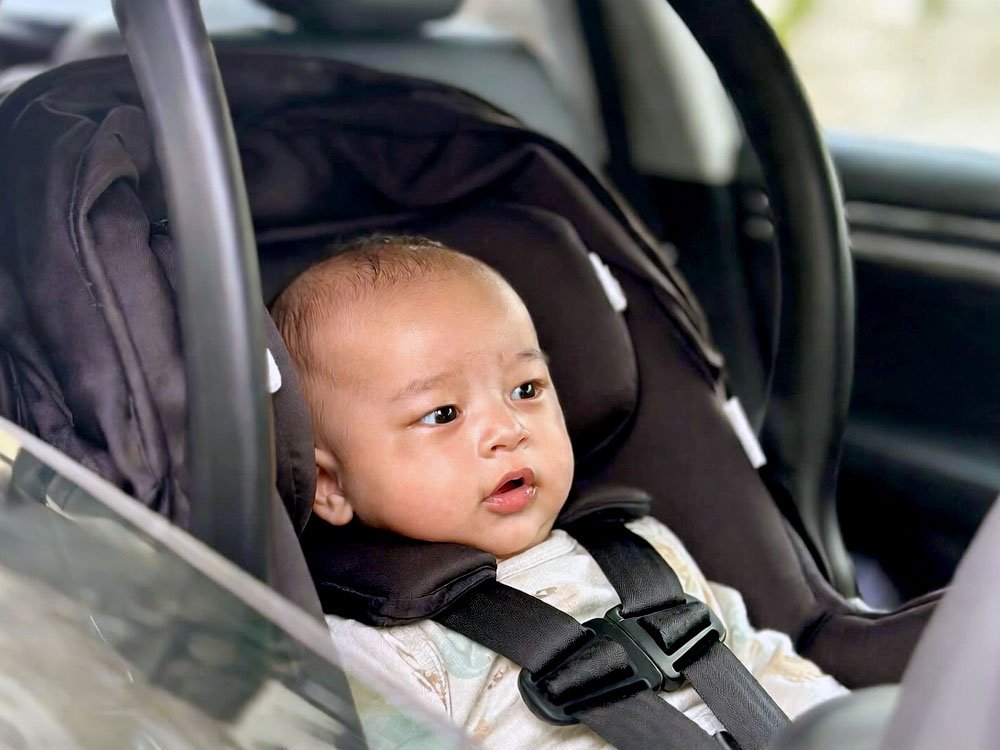
Safety experts and car seat techs always talk about the two hour rule. It sounds strict but it’s there for a very good reason. Babies don’t have strong neck muscles yet. If they sit at a steep angle for too long, their heavy head can fall forward. This can actually make it hard for them to breathe properly.
You also have to think about their developing spine. A car seat is cramped and keeps them in a semi-upright scrunched position. Staying like that for hours puts pressure on their back and bottom. It can even lead to a flat spot on the back of their head if they spend all day in there.
Think of the car seat as a safety tool for the road only. It isn’t a substitute for a bed or a bouncer. When you are on a long haul, those two hours go by fast. You need to keep a sharp eye on the clock. It protects their breathing and lets their little bodies move around naturally.
- Stop the car every two hours.
- Take the baby out of the harness completely.
- Lay them flat on a blanket.
- Check for any redness or skin irritation.
- Let them wiggle their arms and legs.
- Change their diaper to refresh them.
How Long Can an Infant Be in a Car Seat Without Breaks?
Plan Your Route Around Naps
You should look at your map before you even put the key in the ignition. Pick out rest stops or parks that show up every sixty to ninety miles. I always tell parents to time their departure right after a big feeding. If the baby is full and sleepy, you get a solid chunk of quiet driving time before the first break.
Try to find spots with shade or indoor areas. You want a place where you can spread out a small portable mat. This isn’t just a quick diaper swap. You need to let that baby stretch like a little gymnast. It resets their mood and keeps their blood flowing well after being strapped in tight.
I’ve found that small town parks are better than busy gas stations. They are quieter and have grass where you can sit together. If you push the limit, the baby will get cranky and the drive becomes a nightmare. A happy baby makes for a much faster trip in the long run.
- Use a GPS app to find parks.
- Pack a dedicated “stop kit” with a mat.
- Avoid driving through lunch hours.
- Look for quiet spots away from fumes.
Monitor the Head Position
You have to watch how your baby’s head sits in the fabric. As an expert, I see many parents tucking thick blankets or DIY pillows around the head. Don’t do that. Those extra pads can actually push the head forward or interfere with the harness if you get into a wreck.
If you see the chin touching the chest, you must pull over safely. That “head flop” is a sign that the airway might be getting pinched. It happens more often when babies fall into a deep sleep and their muscles totally relax. A simple mirror on the headrest helps you see this from the driver’s seat.
Keep the chest clip at armpit level to keep the body upright. If the clip is too low, the baby can slouch down into a ball. This slouching is what causes most of the breathing worries. A well adjusted harness is your best defense against bad positioning during a long haul.
- Keep the chest clip at armpit height.
- Use only the padding that came with the seat.
- Install a wide angle baby mirror.
- Check the seat’s recline indicator daily.
Watch the Temperature Closely
Car seats are basically big buckets of foam and plastic. They hold heat like an oven, especially in the summer. Your baby can’t sweat as well as you can. They can overheat quickly even if the air conditioner is blowing on your face in the front seat.
Reach back and feel their chest or the back of their neck. If the skin feels hot or clammy, they need a break right away. I suggest using sunshades on the side windows to block direct rays. Even on a cold day, the sun hitting that black fabric can make it get very toasty inside.
Don’t dress them in heavy coats or snowsuits under the straps. It makes the harness loose and adds too much heat. Instead, strap them in with regular clothes and put a blanket over the top of the harness. This keeps them safe in a crash and lets you pull the blanket off if the car warms up.
- Dress the baby in thin layers.
- Avoid bulky coats under the straps.
- Feel their chest for sweat regularly.
- Use magnetic shades on the windows.
Use the Correct Recline Angle
Every infant seat has a level indicator on the side. It usually looks like a bubble or a moving dial. You must make sure that bubble is in the safe zone every single time you click the seat into the base. If the seat is too upright, the baby’s head will tip forward.
I see many people install seats too steeply to save legroom for the front passenger. Don’t sacrifice the baby’s safety for your own comfort. If your car has a sloped backseat, you might need to adjust the base height. Some seats allow a rolled towel, but check your manual first to be sure.
A flat angle is better for a newborn’s breathing. As they get older and gain neck strength, you can sometimes sit them up a bit more. But for those first few months, follow that level line like it’s a law. It’s the only way to ensure their chin stays off their chest.
- Check the level bubble on flat ground.
- Adjust the base height if needed.
- Read the manual for towel rules.
- Prioritize the baby’s angle over legroom.
Transition to a Flat Surface
The moment you get home or arrive at a hotel, take the baby out. It is so tempting to leave them in the seat if they are finally sleeping. I’ve done it too, but it’s a habit you need to break. The risk of breathing issues doesn’t go away just because the car isn’t moving.
When the car seat sits on the floor, the angle changes. It often becomes even more upright or tippy. This makes it easier for the baby’s airway to get restricted. Always move them to a crib, bassinet, or a firm play mat for the rest of their nap.
If you are at a restaurant, don’t put the car seat on a high chair or a table. It is top heavy and can fall easily. Keep them in your sight and try to time your meals with their awake periods. This keeps them out of the bucket seat for as long as possible during the day.
- Unstrap the baby as soon as you arrive.
- Never leave the seat on a table.
- Move sleeping babies to a flat crib.
- Avoid using the seat as a bouncer.
Listen for Changes in Breathing
You should get used to the sound of your baby’s normal breathing. In a car, the road noise can drown out soft sounds. If you hear any grunting, whistling, or heavy gasping, you need to find a safe spot to stop. These are signs that the baby is working too hard to get air.
I always suggest a passenger sits in the back on long trips. Having a set of eyes right next to the seat is much better than any mirror. They can see if the baby’s skin looks pale or blueish around the lips. It’s the best way to catch a problem before it becomes a real emergency.
Trust your gut feeling as a parent. If something looks “off” about how they are sitting, it probably is. I have pulled over just to adjust a strap that looked a little wonky. It’s worth the extra five minutes to know that your little passenger is breathing easy and sitting pretty.
- Have a passenger sit in the back.
- Listen for grunting or whistling sounds.
- Watch for pale or blue skin tones.
- Trust your instincts if they look slumped.
Is It Safe to Let a Baby Sleep in a Car Seat?
It is safe for a baby to sleep in a car seat only while they are traveling in a car that is moving. The seat is built to protect them during a crash, but the angle is specifically tuned for the vehicle’s seat. When the car is in motion, you are there to monitor them. The vibrations of the road often help them sleep, but you shouldn’t let that sleep continue once you stop.
Once you reach your house, the safety level drops if you leave them in the seat. Inside a house, there are no safety standards for car seat sleep. The seat can tip over or the baby can move into a position that blocks their breath. It is always best to move them to a flat, firm mattress for any long sleep. This gives their body the best chance to grow and rest properly.
If you are on a long road trip and they fall asleep, just keep an eye on the clock. You still need to follow that two hour rule. It might be annoying to wake a sleeping baby, but their safety is the top priority. A quick stretch and a bit of fresh air will help them stay healthy and happy for the rest of the drive.
- Only allow sleep during active travel.
- Move them to a crib at home.
- Check their airway every few minutes.
- Never leave them unattended while sleeping.
- Keep the harness snug while they sleep.
- Avoid using the seat as a permanent bed.
Final Thoughts
You’ve got this handled and you’re doing a great job keeping your baby safe. Just remember to keep the trips short and the breaks long. Watch the clock and listen to your baby’s cues. Using these tips makes travel much less stressful for everyone. Now that you know how long can an infant be in a car seat, you can hit the road with total confidence.
| Age Group | Max Time in Seat | Break Frequency | Best Sleep Surface |
| Newborn (0-3 Months) | 1.5 – 2 Hours | Every 60 Minutes | Flat Bassinet |
| Infant (3-6 Months) | 2 Hours | Every 90 Minutes | Firm Crib |
| Older Baby (6-12 Months) | 2 Hours | Every 2 Hours | Flat Playpen |
| Toddler (1 Year+) | 2-3 Hours | Every 2-3 Hours | Standard Bed |
Frequently Asked Questions (FAQs)
Is it okay to leave my baby in a car seat for a three hour drive?
You should really try to stop before the three hour mark. The general rule is to give them a break every two hours. A three hour stretch can be hard on their breathing and their spine. If you must go that long, make sure you have someone in the back seat watching them closely the whole time.
Can a baby stay in a car seat if it is clicked into a stroller?
Yes, but the two hour rule still applies. Even if the seat is on a stroller, the baby is still in that same scrunched position. It is great for a quick trip to the store. For long walks, a bassinet attachment for your stroller is a much healthier choice for their back and neck.
Do I need to wake my baby to take them out of the car seat?
It is usually best to wake them if you have reached the two hour limit. While it’s hard to wake a sleeping infant, their physical safety comes first. You can try to move them gently to a crib without fully waking them, but they still need to get out of that upright seated position.
Is it safe to use a car seat for naps inside the house?
No, it is not recommended to use a car seat for naps at home. The seat is meant to be used at a specific angle in a vehicle. On a flat floor, the seat can tilt forward and cause the baby’s head to drop. This poses a serious risk for suffocation or restricted breathing during sleep.
Can I use a second hand car seat for long trips?
You can use a second hand seat only if you know its full history. It must never have been in an accident and it cannot be expired. Check the sticker on the side for the date. If the seat is old or worn out, the foam might not protect the baby’s head properly.
Do I have to take the baby out if they are just in the seat for ten minutes?
If you are just running a very quick errand, you don’t need to worry about the two hour rule. Short trips are perfectly fine and safe. The concerns really start to add up when the baby is in that position for hours at a time without a chance to move their body.
Is it better to drive at night so the baby sleeps longer?
Driving at night can be easier because the baby sleeps, but you still have to stop. You shouldn’t let them sit for six hours straight just because they are quiet. You also have to be careful that you don’t get too tired. Safety for the driver is just as important as safety for the baby.
Can a car seat cause a flat head?
If a baby spends too much time in a car seat, it can contribute to a flat spot. The back of the head is soft and the car seat material is firm. Regular breaks and plenty of “tummy time” when you aren’t traveling will help keep their head shape normal and healthy.