

I once saw a dad trying to nap in his truck while his baby slept in the back. It looked peaceful, but most parents don’t know that car seats aren’t cribs. Experts suggest a two hour limit for how long can a newborn stay in car seat.
You should plan your trip by checking the clock every ninety minutes to stay safe. Stop the car at a park or gas station to take the baby out of the seat completely. Lay them flat on a firm surface or hold them to let their spine stretch out. Check their breathing and neck position often while you drive. Always use a mirror so you can see their face without turning your head around. Keep the straps snug but make sure they can still breathe easily and move their legs.
The Real Deal on Travel Times for Infants
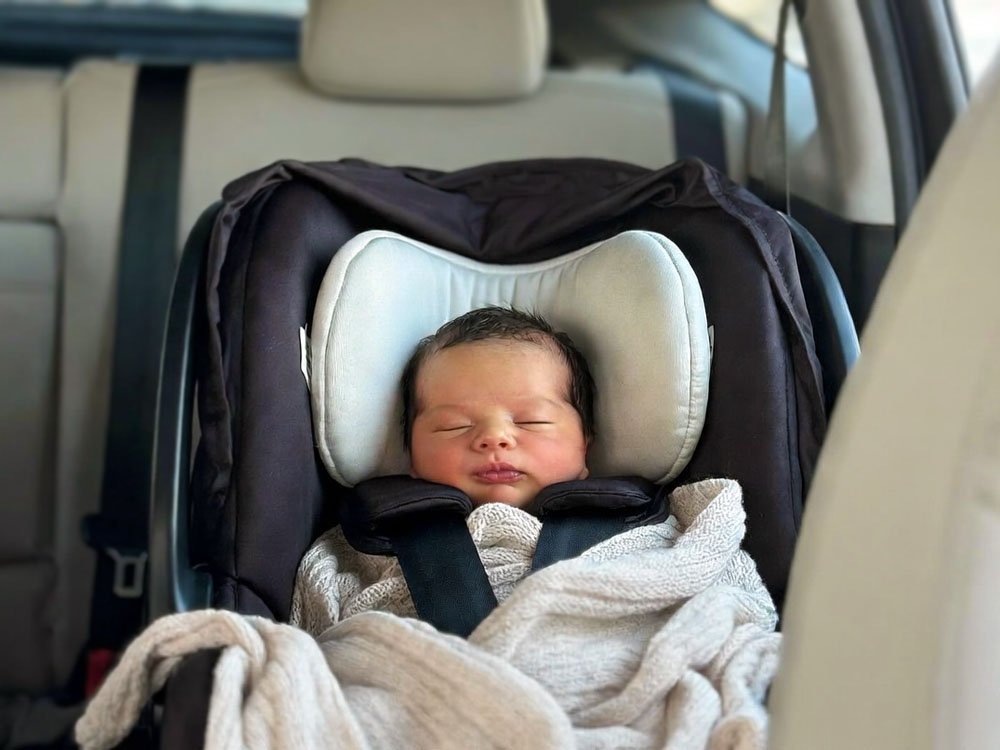
Most car seat makers and doctors talk about the two hour rule. This isn’t just a random number someone picked out of a hat. It’s based on how a baby’s body works when they are very tiny. Their neck muscles are weak and their heads are heavy. If they sit at a steep angle for too long, their chin might drop to their chest. This can make it hard for them to get enough oxygen.
You also have to think about their spine and hips. A car seat is shaped like a bucket to protect them during a crash. It’s great for safety but not great for long term bone development. Staying in that scrunched position puts pressure on the back of their skull too. You want to give them plenty of “flat time” to keep their body growing straight and strong.
I always tell parents to treat the car seat like a tool for travel only. It is not a place for a long nap at home or a substitute for a stroller. Even if they are fast asleep when you get home, you should move them. It feels like a crime to wake a sleeping baby, but their safety matters more than a quiet house. Moving them to a crib is always the right call.
- Stop every ninety minutes for a break.
- Take the baby out of the seat entirely.
- Lay them flat on a blanket during stops.
- Check that their chin stays off their chest.
- Never leave a baby alone in the seat.
- Use the seat only for actual vehicle travel.
How Long Can a Newborn Stay in Car Seat: Pro Survival Tips
Nail the Perfect Seat Angle
You need to make sure the base of the seat sits at the right tilt. Most seats have a little bubble level or a color line on the side. If the seat is too upright, your baby’s head will flop forward because they can’t hold it up yet. This is the biggest risk for their breathing on long drives. I always carry a small rolled-up towel just in case the car’s bench seat is shaped weird.
You should park on flat ground when you set the seat up for the first time. If the bubble isn’t in the green zone, adjust the foot on the base. Some cars have seats that slant back deeply, which tricks the car seat’s built-in level. You might need to buy a specific foam pool noodle to tuck under the base if the manual says it’s okay. This keeps the baby leaning back just enough to keep their airway open.
Don’t just trust your eyes when you’re in a rush. Take a second to look at the seat from the side of the car. If the baby looks like they are slouching, the angle is wrong. A flat-back position is the goal for a newborn. It keeps their lungs open and their heart rate steady while you cruise down the highway.
- Look for the level indicator on the base.
- Park on level ground to check the tilt.
- Use the adjustable foot to fix the angle.
- Keep the head from falling toward the chest.
Get a Clear View with a Mirror
You can’t see what’s happening back there when you’re staring at the road. A back-seat mirror is the best ten bucks you’ll ever spend on your car. It lets you glance in your rearview mirror and see if the baby is awake or if their head has shifted. It gives you peace of mind so you don’t have to pull over every five minutes just to check.
I like the mirrors that strap onto the headrest with two buckles. The ones with suction cups usually fall off when the weather gets too hot or too cold. Make sure the mirror is shatterproof so it doesn’t break if you hit a bump. Position it so you can see the baby’s mouth and nose clearly. If you see them starting to slump, it’s time to find the next exit.
Some parents worry mirrors are a distraction, but it’s worse to keep turning your body around. You need to keep your eyes on the traffic while still knowing your kid is okay. If the mirror moves because of a bumpy road, tighten the straps until it stays still. A clear view of those tiny nostrils moving is worth the extra effort to install it right.
- Choose a mirror with secure headrest straps.
- Pick a shatterproof glass or plastic version.
- Adjust it to see the baby’s whole face.
- Check the mirror every few minutes while driving.
Master the Art of Thin Layers
You might want to wrap your baby in a big puffy coat when it’s cold. Don’t do that because it makes the harness useless. In a crash, the coat compresses and leaves a huge gap between the baby and the straps. This can let the baby slide out of the seat entirely. I always tell folks to dress the baby in thin clothes and put a blanket over the straps instead.
The car heater will warm up the cabin quickly anyway. If the baby gets too hot, they might get fussy or even dehydrated on a long trip. Stick to cotton onesies or thin fleece sleepers that don’t have hoods. Hoods can bunch up behind the neck and push the head forward. You want their back to be totally flush against the back of the car seat.
If you are worried about the cold, tuck a heavy blanket around their legs after they are buckled in. You can also buy a “shower cap” style cover that goes over the top of the seat. Just make sure nothing goes between the baby’s back and the seat itself. This keeps the harness tight against their body where it belongs. It’s safer and keeps them from sweating during the ride.
- Avoid thick coats or puffy snowsuits inside.
- Place blankets over the harness, not under.
- Choose clothes without bulky hoods or collars.
- Keep the cabin temperature around seventy degrees.
Lock Down the Harness Fit
You should always use the pinch test to check the straps. If you can pinch any webbing between your fingers at the collarbone, it’s too loose. The chest clip needs to stay at armpit level, not down by the belly. If it’s too low, the baby could fly out or get a tummy injury. I see parents get this wrong almost every single day at the shop.
The straps should come out of the slots just below the baby’s shoulders when they are rear-facing. This keeps them from sliding up the seat if you have to slam on the brakes. Don’t worry about the straps being too tight on their legs or shoulders. It might look snug, but babies are flexible and they need that support to stay safe. A loose harness is the most common mistake I find.
Check the straps every time you put the baby in. Their clothes change, or they might have a growth spurt overnight. If the straps are twisted, take the time to untwist them so they lie flat. Twisted webbing isn’t as strong and can hurt the baby’s skin. It only takes five extra seconds to make sure everything is perfect before you put the car in gear.
- Keep the chest clip at armpit height.
- Perform the pinch test on every trip.
- Ensure straps start below the shoulder line.
- Untwist any loops in the seat belts.
Map Out Your Pit Stops
You shouldn’t wait until the baby starts crying to look for a place to stop. Use a map app to find parks or rest areas every sixty miles or so. It’s much easier to handle a happy baby than one who has been stuck in a seat too long. These breaks aren’t just for the baby, they help you stay fresh and alert behind the wheel too.
I suggest finding spots with grass or benches where you can lay the baby down. Letting them kick their legs and move their arms helps their circulation. It also prevents their diaper from leaking because of the sitting pressure. Use this time to do a full diaper change and a feeding so they are ready for the next leg of the trip. It makes the whole day go much faster.
If you are traveling alone, these stops are even more vital. You need a break from the stress of driving and watching the mirror. Take ten or fifteen minutes to just breathe and stretch your own legs. A quick walk with the baby in your arms does wonders for everyone’s mood. You’ll arrive at your destination feeling much less tired if you don’t try to power through the drive.
- Mark rest stops on your GPS before leaving.
- Give the baby ten minutes of flat time.
- Change diapers at every single scheduled stop.
- Hydrate yourself and the baby during breaks.
Chase the Shade to Keep Cool
The sun coming through a side window can heat up a car seat faster than you think. Newborns can’t move their heads away from the glare, and they can overheat quickly. I always suggest using a window shade that clings to the glass. Avoid the ones with heavy metal rollers because they can become flying objects if you get into an accident.
You can also use a light muslin cloth to block the sun, but never drape it over the entire car seat. This can trap hot air inside and make it hard for the baby to breathe. Only use it to block the direct rays from the window. Check the temperature of the plastic buckles before you put the baby in. Metal and plastic parts can get hot enough to burn sensitive skin in the summer.
Pay attention to how the sun moves as you turn corners. A spot that was shady might become bright and hot ten minutes later. If your car has rear air vents, make sure they are pointing toward the baby but not directly in their face. Keeping a cool, dark environment helps them sleep better and stay safer. It’s the little details that make a long drive successful for a new family.
- Install mesh window shades on back windows.
- Check buckle temperatures on hot summer days.
- Ensure air flows around the seat freely.
- Never cover the seat with a heavy blanket.
Can a baby sleep in a car seat if it is not in a car?
You should never let a baby sleep in a car seat once you are inside the house. When the seat is on the floor, it can tip over or sit at an unsafe angle. The car seat is designed to be locked into a base that keeps it tilted correctly. Without that base, the baby’s head is much more likely to fall forward and block their breathing.
I know it’s tempting to leave them in there so you can finally eat lunch. However, “positional asphyxia” is a real danger that happens when a baby can’t get air because of how they are sitting. Always move your baby to a flat, firm surface like a crib or a bassinet. It is the only way to make sure they are breathing as deeply as they need to.
Even if you are watching them, things can happen fast. A baby’s neck is so soft that they can stop breathing without making a single sound. They won’t always wake up or cry if they are struggling for air. Play it safe and always follow the rule that car seats are for cars only. Your baby will sleep much better in their actual bed anyway.
- Move the baby to a crib immediately.
- Don’t set the seat on high surfaces.
- Avoid leaving the baby in the seat on carpet.
- Keep the straps buckled if they are inside.
- Never use the seat as a permanent bed.
- Stay in the same room if they’re buckled.
Final Thoughts
You are doing a great job navigating these early days of parenthood. It takes a lot of effort to plan stops and check straps, but it’s worth it. Keep your trips short when you can and always watch the clock for those breaks. Remember that the two hour rule for how long can a newborn stay in car seat is there to keep your little one healthy. You’ve got this, so drive safe.
| Feature | Guideline | Why it Matters |
| Time Limit | Max 2 Hours | Prevents breathing issues and spine strain. |
| Break Frequency | Every 90 Minutes | Keeps circulation moving and baby happy. |
| Seat Angle | 45 Degrees | Keeps the airway open and head back. |
| Harness Fit | Pinch Test | Ensures the baby stays in the seat during a crash. |
| Clothing | Thin Layers | Allows the straps to sit tight against the body. |
| Sleep Location | Flat Surface | Best for long-term breathing and bone growth. |
| Supervision | Mirror Check | Lets you see the baby’s face while driving. |
Frequently Asked Questions (FAQs)
Is it okay if my baby’s head tilts to the side?
A slight tilt to the side is usually fine as long as their chin is up. You don’t want the head falling forward toward the chest. If it slumps forward, pull over and fix their position. Use the infant inserts that came with your specific seat to help support their head.
Can I use head support pillows I bought online?
You should avoid any extra pillows that didn’t come in the box with your car seat. These items are often not crash-tested with your specific model. They can push the head forward or interfere with the harness. Stick to what the manufacturer provided to stay as safe as possible on the road.
Do I need to wake my baby for the two hour break?
Yes, you should wake them to take them out of the seat. While it’s hard to wake a sleeping infant, their physical health is more important than the nap. A quick stretch and a change of position protects their airway. You can usually soothe them back to sleep once you start driving again.
Is it safe to feed a baby while the car is moving?
You should never feed a baby in a moving car seat. If they start to choke, you won’t be able to reach them fast enough. It also puts them at risk for inhaling liquid if you hit a bump. Always pull over to a safe spot for feedings so you can focus on them.
Can I leave the chest clip unbuckled if we are just going down the street?
No, you must buckle every clip every single time. Most accidents happen close to home at low speeds. The chest clip keeps the shoulder straps in the right place to protect the ribs and spine. It only takes a second to click it and it could save their life.
Do I have to use a base with my infant car seat?
Most infant seats can be installed with just a seat belt, but a base is usually easier. Check your manual to see the “baseless” install instructions. It’s vital to get the angle right without the base. Using the base is often safer because it reduces the chance of you making an installation mistake.
Is it okay to use a second-hand car seat?
You should only use a used seat if you know its full history. It must never have been in a crash and it cannot be expired. Most seats expire after six to ten years. If you don’t know the person who owned it, it is much safer to buy a new one for your baby.
Can a newborn stay in a car seat for a ten hour road trip?
You can do a long trip, but you must add many hours for breaks. A ten hour drive will likely take fourteen hours with a newborn. You must take them out every two hours for a long break. Never try to drive through the night without stopping just to finish the trip faster.