


You probably think your car is dying when it won’t start on a cold morning. Most people panic and call a tow truck right away. Usually, the real culprit is just a tiny gap between your cable and the post. I will show you how to fix loose battery terminal clamp issues without spending a dime at the shop. You’ll learn how to spot the wiggle, clean the gunk, and tighten things up like a pro.
To get your car starting perfectly again, you need to first pop the hood and check for any movement on the metal ends. You should disconnect the negative cable first to stay safe, then scrub away any white crusty powder with a stiff brush and some baking soda water. If the clamp is still wobbly after tightening the bolt, you can use a lead shim or a small copper scrap to fill the extra space. Lastly, put everything back together tightly and coat the metal with a bit of grease to stop future rust from coming back.
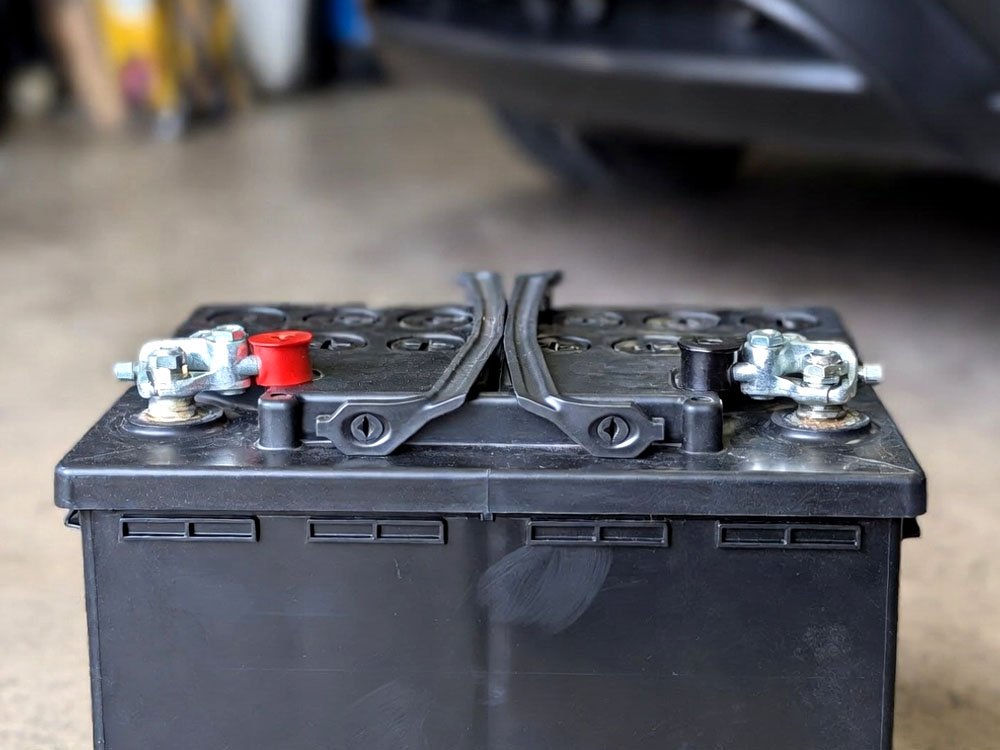
Is a Loose Battery Terminal Really That Dangerous for Your Car?
A loose connection is like trying to drink water through a straw with a hole in it. Your battery might be full of power, but that power can’t reach the starter motor if the fit isn’t snug. This gap creates heat every time you try to turn the key. Over time, that heat can actually melt the lead post or damage your car’s computer.
I have seen many people replace perfectly good batteries because they didn’t check the clamps first. It’s a sad waste of money. A shaky connection also confuses your alternator. It tries to overcharge the battery because it thinks the voltage is low. This constant back and forth wears out your expensive parts much faster than normal driving ever would.
You should fix this immediately to avoid getting stranded in a dark parking lot. It only takes five minutes and a basic wrench to make things right. When the connection is solid, your lights stay bright and your engine fires up instantly. Keeping it tight is the simplest way to make your car last for years.
- Your car might stall while you are driving.
- The starter motor makes a clicking sound.
- Your headlights flicker when you hit bumps.
- The battery post can get hot enough to burn you.
- Computer sensors might give you false error codes.
- The alternator will die much sooner than it should.
The Best Ways on How to Fix Loose Battery Terminal Clamp Problems
Clean the Metal Surfaces First
Dirty metal is the biggest reason why clamps feel loose even when they are tight. That white or green powder is acid crust, and it acts like a wall between the electricity and your car. I always use a mix of warm water and a spoonful of baking soda to fizz that junk away. It’s a cheap trick that works better than those expensive sprays you see at the parts store.
Once the fizzing stops, use a wire brush to make the metal shine like a new coin. You need to clean both the inside of the ring and the outside of the battery post. If you skip this, the dirt stays trapped inside. This dirt makes the metal slippery, which lets the clamp slide up and off the post while you drive.
Always dry the parts with a clean rag before you try to put them back together. Water can cause a little spark if you aren’t careful. A dry, clean surface gives the metal the best grip possible. You will notice the bolt turns much smoother when the threads are clear of grit and old grease.
- Mix baking soda with water until it looks like milk.
- Scrub until you see bright, shiny silver metal everywhere.
- Dry everything off with an old t-shirt or paper towel.
- Don’t breathe in the white dust because it is acidic.
Use a Battery Post Shim
Sometimes the metal ring is just too stretched out to grab the post anymore. This happens after years of vibration or if someone over-tightened the bolt in the past. You can buy a small lead cap called a shim at any auto shop for a couple of dollars. It looks like a tiny hat that sits right on top of the battery post.
This shim adds just enough thickness to make the clamp fit like a glove again. It is a much better fix than trying to hammer the clamp down lower. I like lead shims because they are soft and squish into the gaps perfectly. This creates a massive amount of surface contact for the electricity to flow through without any resistance.
If you are stuck in the woods, you can even use a small piece of a copper penny or a bit of wire. However, the real lead shims are the safest bet for a long-term fix. They don’t rust and they won’t vibrate loose over time. Just slide it on, push the clamp over it, and tighten your bolt normally.
- Check if the clamp gap is closed all the way.
- Slide the shim over the post before the cable.
- Make sure the shim is seated flat against the bottom.
- Tighten the bolt until you can’t move the cable.
Replace the Nut and Bolt
Most people don’t realize that the bolt on the clamp can actually stretch out. Over many years, the metal gets tired and the threads start to strip away. If you keep turning the wrench but the clamp stays loose, the bolt is likely dead. You can usually find a replacement battery bolt kit for less than five dollars at a gas station.
I always carry a spare set in my glove box just in case. When you swap the old bolt for a new one, use a bit of oil on the threads. This helps the nut pull the clamp together with much more force. A fresh bolt can often save an old clamp that looks like it needs to be thrown away.
Be careful not to use a regular hardware store bolt if you can help it. Real battery bolts have a special square head that locks into the clamp. This allows you to tighten the nut with just one wrench. If you use a round bolt, it will just spin in circles and drive you crazy while you try to fix it.
- Look for shiny spots on the bolt threads.
- Replace the nut if it feels wobbly on the bolt.
- Use a wrench that fits perfectly so you don’t round it.
- Stainless steel bolts stay clean much longer than zinc ones.
Trim the Clamp Gap
If the two ends of the clamp are touching each other, it can’t get any tighter. This is a common problem with older cars where the metal has bent inward. You can use a small metal saw or a file to cut a tiny bit of metal away from the gap. This gives the bolt more room to pull the two sides closer together.
This is an old mechanic’s secret that saves people from buying an entire new wiring harness. You only need to remove about a millimeter of metal to make a huge difference. Make sure you take the clamp completely off the battery before you start filing. You don’t want metal shavings falling onto the battery cells or near your eyes.
Once you have a wider gap, the clamp can finally wrap around the post with full pressure. It’s like tightening a belt that ran out of holes. Just be careful not to cut too much, or the metal might become weak and snap later. A little bit goes a long way when you are working with soft lead or brass.
- Take the cable off the battery before you start cutting.
- Use a simple hand file to widen the open gap.
- Clean off all the metal shavings before putting it back.
- Wear safety glasses so no metal bits fly in your eyes.
Switch to a Quick Release Clamp
If you find yourself fiddling with your battery often, you might want to upgrade the whole piece. Quick release clamps use a lever instead of a bolt to stay tight. They are great because you don’t need tools to take them off. They also provide a very even grip all the way around the battery post.
I love these for cars that sit in the garage for a long time. You can unclip the battery in two seconds so it doesn’t go dead while you aren’t using it. Most of them are made of high-quality brass or copper. These metals carry electricity much better than the cheap lead ones that come from the factory.
Installing them is easy because you just cut the old terminal off and strip the wire back. You then slide the bare wire into the new clamp and tighten the set screws. It makes the whole engine bay look much cleaner and more professional. It’s a small upgrade that makes a big impact on your car’s reliability.
- Choose brass clamps for the best electrical flow.
- Make sure the lever feels firm when you close it.
- Keep the old clamps as a backup in your trunk.
- Check that the new clamps don’t hit the hood.
Apply Protective Terminal Sealer
Once everything is tight and perfect, you need to lock out the air. Rust and corrosion grow when oxygen and acid fumes touch the metal. You can buy a bright red or blue spray called terminal protector. It dries into a thin plastic layer that keeps the connection clean for at least a year.
An old-school trick I use is a simple dab of petroleum jelly. It works just as well as the fancy sprays and costs almost nothing. You just smear a thin layer over the entire metal assembly after you tighten it down. This stops the “white fuzzy stuff” from ever growing back on your terminals.
I always tell people to check their terminals every time they change their oil. If you see the grease getting dry, just add a little more. This simple step prevents 90% of all starting problems. A little bit of grease now saves you from a massive headache during a rainstorm later.
- Spray the protector only after the clamp is tight.
- Use red for positive and blue for negative to stay organized.
- Avoid getting grease on your clothes because it stains.
- Check the connection again in six months for any leaks.
Why Does My Battery Terminal Keep Coming Loose After Tightening?
Sometimes you tighten the bolt as hard as you can, but it still wiggles. This usually happens because the metal of the clamp has “stretched” or lost its spring. Lead is a very soft metal, so it changes shape over time due to the heat of the engine. If the clamp is stretched, the bolt is just pulling against itself instead of squeezing the post.
Another reason is engine vibration. If your engine shakes a lot because of bad motor mounts, it can actually rattle the nuts loose. You should check if the battery itself is held down firmly. If the battery can bounce around in its tray, it will pull on the cables and loosen the clamps every time you hit a pothole.
Lastly, you might have the wrong size terminal. Some batteries have posts that are slightly smaller than others. In this case, no amount of turning the wrench will make it fit. You need to use a shim to bridge that gap. It is a very common issue with cheap replacement batteries that don’t follow exact size rules.
- The clamp metal has become too thin and weak.
- Your battery hold-down strap is missing or broken.
- Extreme heat has warped the shape of the lead.
- The bolt threads are stripped and can’t hold tension.
- You are using a positive clamp on a negative post.
- Road salt has eaten away at the metal thickness.
Final Thoughts on Fixing Your Car Battery
I hope you feel ready to pop that hood and get to work. Fixing a car doesn’t always require a mechanic and a big bill. Now that you know how to fix loose battery terminal clamp issues, you can save yourself a lot of time. Just remember to be gentle with the lead posts and always keep things clean. You’ve got this, so go give those cables a good shake today!
| Solution Method | Difficulty Level | Cost Estimate | Time Required |
| Cleaning with Baking Soda | Very Easy | $1 | 10 Minutes |
| Installing Lead Shims | Easy | $3 – $5 | 5 Minutes |
| Replacing Bolt and Nut | Easy | $2 – $4 | 5 Minutes |
| Filing the Clamp Gap | Medium | Free | 15 Minutes |
| New Quick Release Clamps | Medium | $10 – $20 | 20 Minutes |
| Applying Anti-Corrosion | Very Easy | $5 | 2 Minutes |
Frequently Asked Questions (FAQs)
Is it safe to drive with a loose battery terminal?
No, it is not safe at all. A loose terminal can cause your car to lose power while you are moving fast on the road. This could mean your power steering or brakes stop working suddenly. It can also cause sparks that might start a small fire under your hood.
Can I use aluminum foil to tighten a battery clamp?
You can use it as a temporary fix if you are truly stuck, but it is not a good idea for long-term use. Aluminum doesn’t carry electricity as well as lead or copper does. It can also corrode very quickly when it touches battery acid. Buy a real shim as soon as possible.
Do I need to disconnect the whole battery to fix a clamp?
Yes, you should always take the cables off before you start cleaning or filing. You should always remove the negative (black) cable first to prevent a short circuit. This keeps you safe from getting a shock and protects your car’s sensitive electrical parts from getting fried.
Can a loose terminal ruin my alternator?
Yes, it definitely can. The alternator has to work much harder to send power through a loose connection. This extra stress creates heat inside the alternator and can burn out the internal parts. Fixing a five-dollar clamp today can save you from a five-hundred-dollar alternator repair next month.
Is it okay to tap the clamp down with a hammer?
You should be very careful with hammers near a battery. Tapping it lightly to seat it is okay, but hitting it hard can crack the internal plates of the battery. If it won’t slide on by hand, the clamp is likely too small or needs to be cleaned more.
Can I use a regular wrench to tighten the bolts?
Yes, a standard 10mm or 13mm wrench works for almost every car on the road today. Just make sure the wrench fits snugly on the nut so you don’t strip the edges. I prefer using a socket wrench because it is faster and gives you a better grip in tight spaces.
Do I have to reset my car’s clock after fixing the clamp?
Usually, yes. When you remove the cables, the car’s computer loses its memory for a moment. You will likely need to fix the time on your radio and maybe your saved radio stations. Some fancy cars might need you to cycle the power windows once to help them learn their positions.
Can a loose connection cause a “check engine” light?
Yes, many modern cars will show a light if the voltage is inconsistent. The computer sees the flickering power as a sensor failure. Often, tightening your battery clamps will make that annoying light go away instantly. It is the first thing I check whenever a dashboard light pops up.