


You probably don’t think about your battery until your car won’t start on a cold morning. It’s a real pain when you’re late for work and all you hear is a clicking sound. Most people think they need a new battery, but often the metal clamps are just old, cracked, or rusted. You can save a lot of money by learning how to replace car battery terminal clamps yourself today.
First, you must put on safety glasses and gloves because battery acid is no joke. Use a wrench to loosen the nut on the black negative cable first, then pull it off the post. Do the same for the red positive cable and keep them from touching any metal. Cut the old, crusty clamps off the wires using a heavy duty cable cutter. Strip back about half an inch of the plastic insulation to show the clean copper wire underneath. Slide the new terminal clamps onto the wires and tighten the bolts until they don’t budge. Finally, put the red clamp back on its post first, then the black one, and tighten them down.
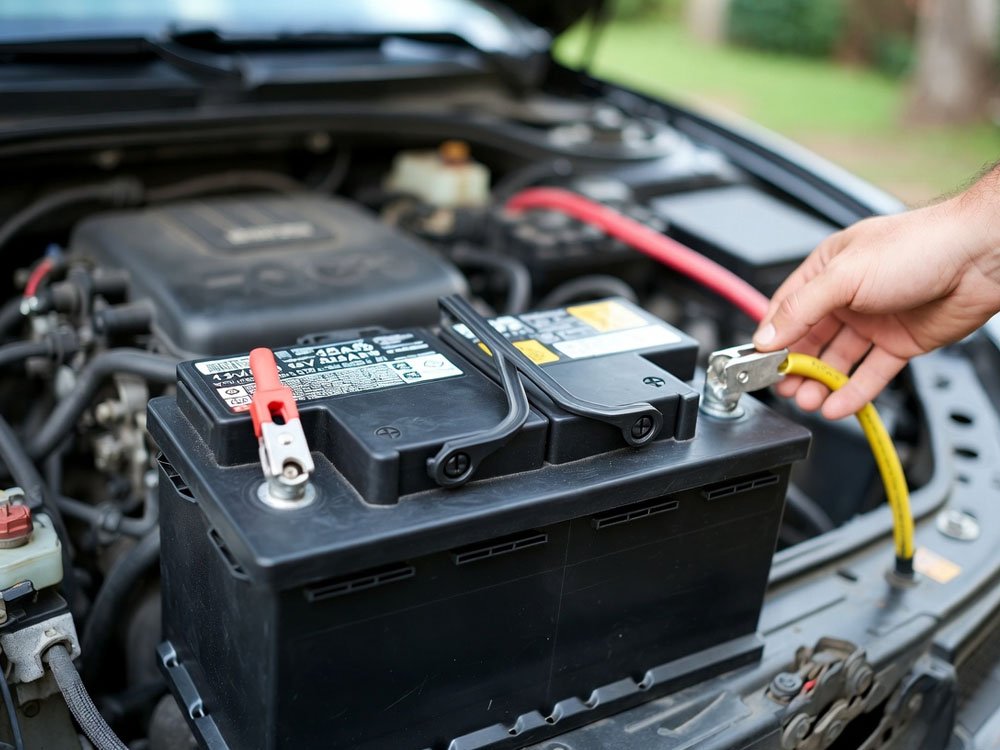
Why Do You Need to Change Your Battery Clamps?
Your car needs a strong path for electricity to flow from the battery to the engine. Over time, heat and moisture cause the metal clamps to break down or get covered in white crusty stuff. This gunk blocks the power and makes your car hard to start. If you see cracks in the metal or if the clamp feels loose even after tightening, it is time for a change.
Sometimes the vibration from driving simply wears the metal thin until it snaps. You might notice your lights flickering or your radio resetting for no reason. These are signs that the connection is weak and flickering on and off. Replacing them is a cheap fix that keeps you from getting stranded in a dark parking lot.
I always tell my friends that cheap clamps are a waste of money. Spend a few extra dollars on heavy duty lead or brass versions. They last much longer and handle the heat under your hood way better. It is one of the easiest jobs you can do to make your car feel reliable again.
- The metal gets thin and weak from age.
- Acid leaks out and eats the metal away.
- Loose clamps cause the starter to fail.
- Rust creates heat which can melt plastic parts.
- Old clamps won’t grip the battery post tightly.
- New clamps help your alternator charge the battery better.
How to Replace Car Battery Terminal Clamps in Six Easy Steps
Pick the Right Tools and Parts
You don’t need a massive toolbox for this job, but having the right gear makes it go fast. Grab a set of wrenches or a socket set, some wire strippers, and a wire brush. You also need to buy the correct size clamps for your specific car cables. I like to keep a small rag and some sandpaper nearby to clean everything up as I go.
When you go to the store, look for “universal” clamps if you aren’t sure about the size. However, the best ones are made of solid brass because they don’t rust as fast as the cheap tin ones. If your wires are very thick, make sure the new clamps have a wide enough opening for the copper. It’s better to have a slightly bigger clamp than one that is too small.
A pro tip is to buy a small tube of battery terminal protector spray or grease. It usually comes in a bright red or blue color and stops that white fuzzy corrosion from coming back. If you apply this at the end, your new clamps might last for the rest of the car’s life. It’s a tiny investment for a huge amount of peace of mind.
- Get a 10mm wrench which fits most car batteries.
- Buy heavy duty brass or lead terminal clamps.
- Keep a stiff wire brush for cleaning the wires.
- Use safety glasses to protect your eyes from sparks.
Take off the Old Negative Cable
Always start with the negative cable, which is almost always black and has a minus sign near it. This is a huge safety rule because it prevents sparks if your wrench touches the car’s metal body. Loosen the nut until the clamp can wiggle freely. If it’s stuck, don’t hammer it, but instead use a flathead screwdriver to gently pry it open.
Once the clamp is loose, lift it off the post and tuck it far away so it can’t spring back. I often use a zip tie or a piece of string to hold it against a plastic part of the engine bay. If it touches the battery post while you are working on the other side, you could get a nasty shock. Safety is about being smart and taking your time.
If the clamp is totally fused to the post because of rust, you can pour a little bit of soda or warm water mixed with baking soda on it. The bubbles will eat away the crust and make it much easier to slide off. Just make sure to dry everything off with a rag before you start cutting the wires. Keeping things dry helps you get a better grip.
- Identify the negative side by the minus symbol.
- Loosen the nut without removing it all the way.
- Twist the clamp back and forth to break the seal.
- Secure the cable away from the battery post.
Remove the Positive Cable and Clean
Now that the ground is safe, you can move on to the positive side. This one is usually red and might have a plastic cover over it. Flip the cover back and loosen the nut just like you did before. Be extra careful not to let your metal wrench touch any other metal part of the car while you are touching this red terminal.
After both cables are off, take a look at the battery posts themselves. They are probably covered in grey or white gunk that looks like dried salt. Use your wire brush to scrub the posts until they shine like new dimes. This is the secret to a perfect job because clean metal means the electricity can move without any struggle.
Check the wires for any green or white powder inside the plastic sleeve. If the corrosion has traveled far up the wire, you might need to peel back more of the cover to find clean copper. If the wire is crunchy and breaks when you bend it, keep cutting back until you see bright, shiny metal. You want a fresh start for your new parts.
- Pull back the red plastic safety cover first.
- Avoid touching the wrench to the car frame.
- Scrub the battery posts until they look shiny.
- Look for hidden corrosion inside the wire insulation.
Cut and Prepare the Old Wires
Now comes the part that feels scary but is actually very easy. Use your wire cutters to snip the old, broken clamp right off the end of the cable. Try to cut as close to the old clamp as possible so you don’t lose too much length. You need enough wire left to reach the battery without pulling too tight.
Use your wire stripper or a sharp knife to carefully cut away the plastic jacket. You only need to show about half an inch of the copper strands. Be careful not to cut the actual copper wires inside, just the plastic. If you accidentally snip off too many copper strands, it is better to cut it again and try a second time.
Once the copper is exposed, give it a quick scrub with your wire brush too. Sometimes the copper is dark or black from heat, so scrub it until it looks orange and bright again. This ensures the new clamp has a great surface to grab onto. A solid connection here means your car will start up instantly every single time.
- Cut the wire close to the old metal clamp.
- Strip off exactly half an inch of insulation.
- Avoid nicking or cutting the copper wire strands.
- Brush the bare copper until it looks bright orange.
Install the New Terminal Clamps
Slide the new clamp onto the bare copper wire you just cleaned. Most clamps have a plate with two bolts that squeeze the wire tight. Make sure all the little copper strands are tucked inside the clamp so none are sticking out. This keeps the connection tidy and prevents any stray sparks from jumping around.
Tighten those two bolts down firmly with your wrench. You want the wire to be so tight that you can’t pull it out even if you tug on it hard. Don’t overdo it and snap the bolts, but make sure there is no wiggle room at all. A loose wire will get hot and eventually melt the new clamp you just bought.
Repeat this for both the positive and the negative cables. Double check that you put the right colored boots or markers on the correct wires. It is very easy to get confused if your cables are both dirty and look grey. Putting a positive clamp on a negative post can blow expensive fuses in your car’s computer system.
- Tuck every copper strand into the new clamp.
- Tighten the wire plate bolts until very snug.
- Test the connection by tugging on the cable.
- Check that you have the right clamp for each wire.
Reconnect Everything and Test
Now you just have to put it all back together in the reverse order. Slide the red positive clamp onto the battery post first. Push it down as far as it will go so it sits flat against the bottom of the post. Tighten the main nut until you can’t twist the clamp with your hand, but don’t use all your strength.
Next, put the black negative clamp back on its post. You might see a tiny spark when it touches the metal, but don’t worry, that is totally normal. It just means the car’s clock and computer are waking up. Tighten it down just like the first one and give both cables a final shake to make sure they are rock solid.
Finally, spray your protector on the metal or dab on a little bit of grease. This seals out the air and moisture so your hard work stays clean for years. Hop in the driver’s seat and turn the key. If the engine roars to life quickly, you did it perfectly. You are now your own mechanic and you saved a bunch of money.
- Connect the positive red cable to the post first.
- Don’t be scared of a tiny spark on the negative side.
- Push the clamps all the way down the battery posts.
- Apply protector spray to keep the metal from rusting.
How Can You Tell if Your Clamps Are Bad?
You can usually tell just by looking at them with a flashlight. If you see white, blue, or green fuzzy growth around the battery, that acid is eating the metal. You might also see that the metal has a crack in it or the bolt is so rusted that it won’t tighten anymore. If you can move the cable with your hand while it is supposed to be tight, it’s bad.
Another sign is how your car acts when you try to start it. If it struggles to turn over but the battery is brand new, the clamps are likely the problem. Sometimes the car will have power for the dash lights but everything goes black the moment you try to start the engine. This happens because the bad clamp can’t handle the high power the starter needs.
Lastly, check for heat. If you touch the battery terminal after a short drive and it feels burning hot, that is a huge red flag. Heat means there is resistance, which is basically electricity struggling to get through a bad connection. Replacing them now prevents the heat from damaging your battery or even starting a small fire under the hood.
- Look for colorful fuzzy stuff on the metal.
- Check for visible cracks in the clamp body.
- See if the clamp wiggles when you push it.
- Watch for lights that dim when you use the blinker.
- Feel for excessive heat after the car has been running.
- Notice if the battery posts look chewed up or thin.
Final Thoughts
I hope this guide makes you feel confident about fixing your car. It is a simple task that anyone can do with a few basic tools and a little bit of time. Learning how to replace car battery terminal clamps keeps your vehicle running smooth and saves you a trip to the expensive repair shop. You’ve got this, so go out there and give your car the love it deserves today.
| Item Needed | Purpose | Estimated Cost |
| New Terminal Clamps | Connects wires to battery | $5 – $15 |
| Wrench Set | Loosens and tightens bolts | $10 – $20 |
| Wire Brush | Removes rust and corrosion | $3 – $5 |
| Terminal Protector | Prevents future rust | $2 – $4 |
| Sandpaper | Cleans metal surfaces | $1 – $2 |
| Work Gloves | Protects hands from acid | $5 – $10 |
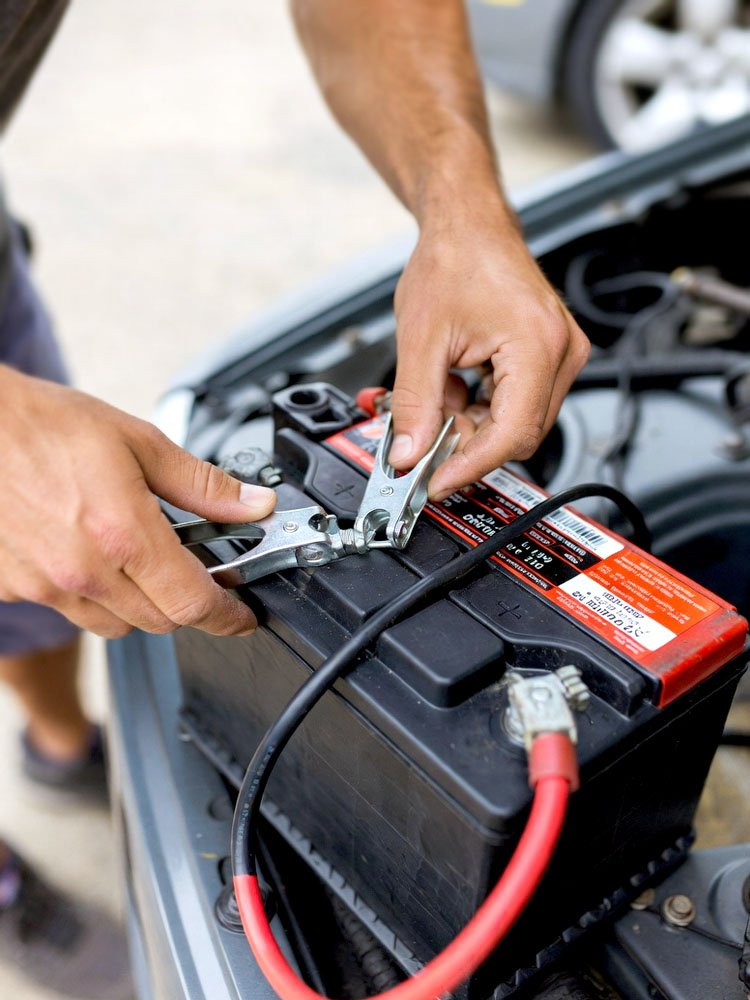
Frequently Asked Questions (FAQs)
Is it dangerous to change battery clamps myself?
It is very safe as long as you follow the right order. You must always take off the negative black cable first. This prevents the battery from shorting out if your tool touches the car. Wear gloves and glasses to stay safe from any old battery acid that might be hiding under the crust.
Can I use pliers instead of a wrench?
You can use pliers if you are in a big hurry, but a wrench is much better. Pliers often slip and can round off the corners of the nuts. This makes them impossible to remove later. A 10mm wrench or a small adjustable wrench will give you a much tighter and safer connection.
Do I need to unhook the whole battery?
You don’t have to take the whole battery out of the car. Just removing the cables from the top is enough to do the work. However, if the battery is very dirty, taking it out makes it easier to wash the tray with some water and baking soda to stop rust.
Can I just clean the old clamps instead?
If the metal is still thick and has no cracks, you can definitely just clean them. Use a mix of baking soda and water with a stiff brush to scrub away the gunk. But if the metal is thin or the bolts are stripped, cleaning won’t help. New clamps are very cheap.
Is brass better than lead for terminal clamps?
Brass is usually better because it is harder and does not corrode as fast as lead. Lead is softer, which helps it grip the battery post really well, but it can stretch out over time. Most pro mechanics prefer brass or copper plated clamps for a long lasting and very strong fix.
Do I need to reset my car’s computer after?
When you pull the cables, your car might lose its saved radio stations or clock time. Some modern cars need a moment to relearn how to idle smoothly after they lose power. Just drive the car normally for ten minutes and the computer will figure everything out and go back to normal.
Can I use any metal for a replacement clamp?
No, you should only use clamps specifically made for car batteries. These are usually lead, brass, or zinc plated. Using a random piece of metal or a hardware store clamp won’t work well. Battery clamps are shaped perfectly to fit the tapered posts on your battery for a tight seal.
Do I have to replace both clamps at once?
You don’t have to, but it is a very smart idea to do both. Usually, if one is old and gross, the other one isn’t far behind. Since you already have your tools out and your hands dirty, it only takes five more minutes to do the second one. It’s better for your car.