

Most parents treat a sleeping baby in a car seat like a live grenade they’re afraid will go off if moved. You might think letting them snooze for hours is a win, but it actually poses a real risk to their breathing. Understanding when does the 2 hour car seat rule end is the best way to keep your road trips safe and stress-free.
Take frequent breaks every ninety minutes to let your baby stretch out on a flat surface and breathe easily. Check their head position often to ensure it hasn’t slumped forward toward their chest during the drive. Stop the car immediately if you see them struggling or if they look too floppy in the harness. Use a mirror to keep an eye on them without turning your head away from the road. Never leave your child to sleep in the seat once you reach your destination. Always prioritize a firm crib over the convenience of a car seat for long naps.
When Do Kids Finally Outgrow the Need for these Frequent Stops?
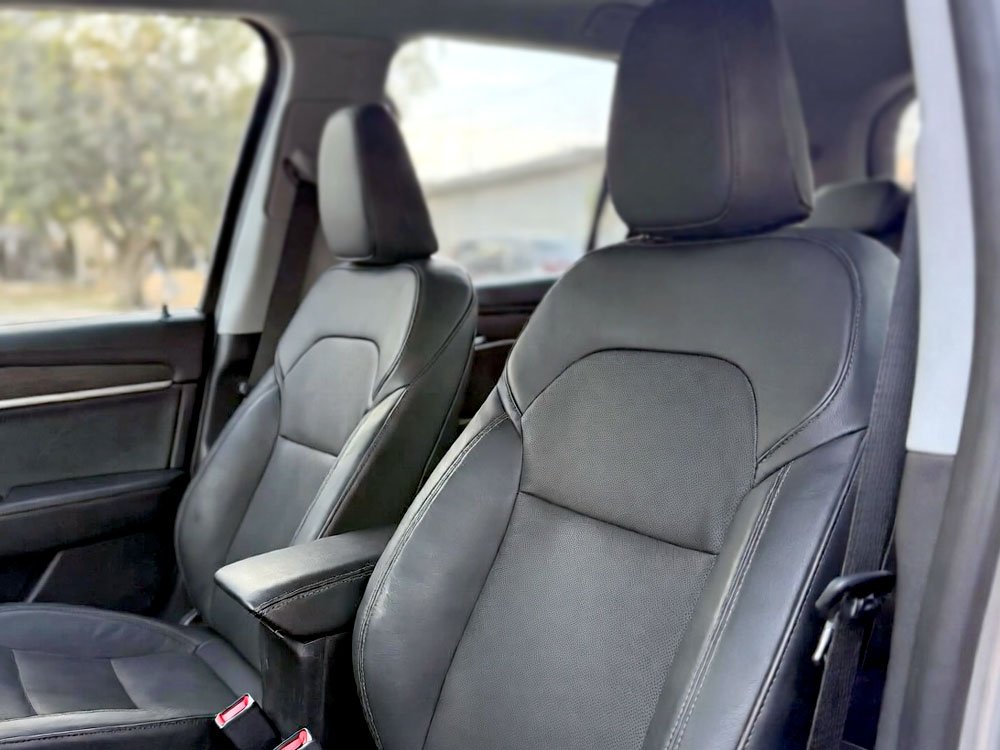
Most experts say the strict two hour limit stays in place until your child can sit up and hold their head steady for long periods. This usually happens around the time they hit their first birthday, but every kid grows at a different pace. Even then, you shouldn’t keep a toddler strapped in for five hours straight. Their little joints need to move just like yours do on a long road trip across the state.
The rule exists because of how a baby’s spine and neck are shaped in those early months. If they sit at a steep angle for too long, it can actually make it harder for them to get enough oxygen. This is called positional asphyxia, and it’s a scary word for a very preventable problem. As they get stronger and gain better muscle control, the risk of their chin hitting their chest drops significantly.
Once your child moves to a forward-facing seat, the pressure on their airway changes, but the need for breaks doesn’t disappear. You should still plan your trips around their meal times and diaper changes to keep everyone happy. A cranky toddler is just as tough to handle as a sleepy infant. Always trust your gut and pull over if you feel like they’ve been sitting still for too long.
- Wait until they have full head and neck control.
- Check if they can sit upright without any support.
- Look for the transition to a larger toddler seat.
- Monitor their comfort level during one hour drives first.
- Keep the two hour limit for any child under twelve months.
- Ask your pediatrician during the one year checkup visit.
Master the Art of Long Road Trips With Your Little One
Choose The Right Seat For Your Specific Vehicle Type
Not every car seat fits every car perfectly, and a bad fit makes the angle dangerous. I’ve spent years crawling around backseats and I can tell you that “universal” is a lie. You need to check the level indicator on the side of the base. If that little bubble isn’t in the green zone, your baby’s head might flop forward and block their breathing.
I always tell parents to skip the fancy thick padding that doesn’t come with the seat. Those extra “head supports” you buy at the store can actually push the head into a bad spot. Stick to what came in the box because the manufacturer tested it for safety. A snug fit against the seat bight is your best friend for a stable ride.
If you have a small car, look for a seat with a compact footprint so the front passenger doesn’t have their knees in the dashboard. You want a seat that allows for a proper recline without hitting the front chair. A good install feels rock solid when you tug it at the belt path. It shouldn’t move more than an inch in any direction.
- Check the built-in level indicator before every single trip.
- Avoid using bulky aftermarket inserts or heavy winter coats.
- Ensure the base is locked tight with the LATCH system.
- Test the seat wiggle at the base, not the top.
Plan Your Stops Around Natural Feeding And Sleep Cycles
Timing is everything when you’re hauling a tiny human across several hundred miles of highway. Don’t just drive until the baby cries because that means they’re already stressed and tired. I like to time my departures right after a big morning feeding and a diaper change. This gives you a solid window of peace before the first scheduled stop.
If your baby falls asleep right as you start, don’t feel like you have to race against the clock. Use that first hour to make good progress, then pull over at a park or a quiet rest stop. Take them out of the seat completely so their spine can go flat on a blanket. A few minutes of “tummy time” on a clean surface does wonders for their circulation and mood.
Pro tip: always look for stops with clean grassy areas or family restrooms ahead of time. I use apps to find parks along the route rather than just stopping at greasy gas stations. It makes the break feel like a fun part of the trip instead of a chore. Plus, fresh air helps settle a baby much faster than the smell of diesel fumes.
- Map out parks or rest areas every ninety miles.
- Feed the baby while they are out of the car seat.
- Change diapers during every scheduled stop to avoid leaks.
- Let the baby stretch on a flat blanket for fifteen minutes.
Keep The Internal Car Temperature Cool And Consistent
Babies can’t sweat like we do, so they overheat way faster in a thick car seat. I’ve seen parents bundle their kids up in parkas before buckling them in, which is a big safety “no.” Not only does it make the harness loose and dangerous, but it also cooks the poor kid. Keep the cabin cool and dress them in thin, breathable layers instead.
I suggest using a “sun shade” on the window to keep direct heat off the seat fabric. Dark car seat covers absorb sunlight and can get surprisingly hot to the touch. If you have rear vents, make sure they are pointed toward the baby’s feet rather than directly at their face. This keeps the air moving without causing them discomfort or drying out their eyes.
If you’re traveling in summer, start the car and blast the AC for five minutes before loading the baby. It’s a simple trick, but it prevents that initial heat shock that makes babies cranky. Always feel the plastic buckles before they touch your child’s skin. Metal and plastic parts can cause nasty burns if the car has been sitting in the sun.
- Use window shades to block direct sunlight and heat.
- Dress your baby in thin cotton layers for better airflow.
- Never use a winter coat under the car seat harness.
- Pre-cool the car before you put the child inside.
Use A High Quality Mirror To Monitor Head Position
You can’t drive safely if you’re constantly twisting your neck to check on a silent baby. A large, shatterproof mirror is the best ten dollars you will ever spend as a parent. It lets you see if their chin is dipping too low with just a quick glance in your rearview. If they look slumped, it’s time to find a safe place to pull over.
I’ve found that the mirrors with built-in lights are great for nighttime driving. You can give them a quick “blink” to see if the baby is okay without turning on the bright overhead cabin lights. Just make sure the mirror is strapped tight to the headrest so it doesn’t fly off if you hit a bump. Safety gear shouldn’t become a projectile in a sudden stop.
If you see the baby’s head bobbing around too much, your seat recline might be too upright. Most infant seats have several tilt positions for a reason. Adjust it according to the age and weight of your child as per the manual. A well-positioned head is the whole point of the two hour rule in the first place.
- Buy a large mirror that attaches firmly to the headrest.
- Choose a mirror with a light for easier night viewing.
- Ensure the mirror doesn’t block your view of the road.
- Adjust the seat recline if you see frequent head slumping.
Feed And Hydrate During Your Off Seat Breaks Only
It is tempting to pass a bottle back to a crying baby while you’re cruising at sixty miles per hour. I strongly advise against this because of the choking risk and the posture of the baby. If they choke while strapped in, it is very hard to get them out and help them quickly. Always stop the car, take them out, and feed them properly.
When you take that mandatory break, make sure you are also staying hydrated as the driver. Fatigue is just as dangerous as a poorly fitted car seat. I usually grab a snack and walk around with the baby to get both of our heart rates up. It keeps you sharp for the next leg of the drive and settles the baby’s stomach.
Burp the baby thoroughly before putting them back into the seat. Trapped gas in a hunched position is a recipe for a screaming fit ten minutes into your next stint. I’ve learned the hard way that a five-minute extra burping session saves an hour of crying later. Patience during the break pays off once you’re back on the asphalt.
- Never feed a baby while the car is in motion.
- Take the baby out of the seat for all feedings.
- Spend extra time burping before buckling them back in.
- Keep your own water bottle handy to stay alert.
Recognize The Signs Of Respiratory Distress Early
Safety isn’t just about crashes; it’s about how your baby is breathing right now. Look for “retractions,” which is when the skin pulls in around their ribs or neck as they breathe. If you see them working hard to get air, or if they are making grunting sounds, stop immediately. These are signs that their airway isn’t clear in the seat.
I always tell parents to listen for any unusual noises coming from the back. A quiet baby is usually a good thing, but a baby who is too quiet and looks pale needs a check. Their skin color should stay nice and pink. If they look blue or gray around the lips, they aren’t getting enough oxygen and need to be moved to a flat surface.
Trust your parental instincts over any GPS or schedule. If something feels off, it probably is. I’ve pulled over on busy highways just because I didn’t like how a baby was snoring. It’s always better to be the person who stopped for no reason than the person who didn’t stop when they should have.
- Watch for skin pulling in around the ribs or neck.
- Listen for grunting or wheezing sounds while they sleep.
- Check that their lip color stays pink and healthy.
- Pull over immediately if the baby seems overly lethargic.
Can Older Kids Stay in the Car Seat for Longer Periods?
Yes, as your child grows into a toddler and moves to a convertible seat, the “two hour” rule softens. Once they can hold their own head up and change their own position, the risk of breathing issues drops. However, you should still aim for a break every few hours to prevent blood clots and stiff muscles. Even adults need to walk around to stay healthy on long trips, so your kids are no different.
You’ll know they are ready for longer stretches when they can sit for an hour in a high chair without leaning. Usually, by eighteen months to two years, you can push your drive times a bit further. Just remember that their bladders are small and their patience is even smaller. A happy kid makes for a much safer driver behind the wheel.
It is still a good idea to keep an eye on them through the mirror, especially if they fall into a deep sleep. Their heads can still flop into awkward positions that might make them wake up with a sore neck. I still recommend a decent stretch every three hours regardless of age. It keeps the “are we there yet” meldrdowns to a minimum.
- Increase drive times gradually as they gain core strength.
- Monitor their comfort during naps in the older toddler seat.
- Plan stops around bathroom needs for potty-trained kids.
- Keep the two hour rule strictly for infants under one year.
- Watch for signs of leg numbness or general restlessness.
- Always check the car seat manual for specific age guidelines.
Final Thoughts
You’ve got this, and your road trip is going to be great if you just take it slow. Safety isn’t a race, and those extra stops are just more memories you’re making with your little one. Remember to listen to your baby and your gut as you navigate the road ahead. Now that you know when does the 2 hour car seat rule end, you can drive with total confidence.
| Age Group | Recommended Break Interval | Reason for Rule |
| 0-6 Months | Every 60-90 Minutes | Developing airway and neck muscles |
| 6-12 Months | Every 2 Hours | Improving head control and spine strength |
| 1-2 Years | Every 2-3 Hours | Physical comfort and circulation |
| 3+ Years | Every 3 Hours | Bathroom breaks and leg stretching |
Frequently Asked Questions (FAQs)
Is it safe to let my baby sleep in the car seat inside the house?
No, it is definitely not safe to do that. When the car seat isn’t clicked into its base or a stroller, the angle changes. This can cause the baby’s head to fall forward and block their airway. Always move your sleeping baby to a firm, flat crib or bassinet as soon as you get home.
Can I use a rolled-up towel to support my baby’s head?
You should never put anything behind or under a baby in a car seat that didn’t come with it. Rolled towels can shift during a crash or even just a sharp turn. This could push their head into a dangerous position. If your baby is slumping, check the recline angle of the seat instead.
Do I need to wake my baby up for the two hour break?
Yes, you generally should take them out of the seat even if they are sleeping. It feels like a crime to wake a sleeping baby, but their physical health is more important than the nap. Taking them out allows their lungs to expand fully and lets their blood circulate better through their little limbs.
Is it okay to use a car seat on an airplane for long flights?
Using a car seat on a plane is actually very safe for the flight itself, but the two hour rule still applies. You should take the baby out of the seat during the flight to let them stretch on your lap. It helps them stay comfortable and reduces the risk of respiratory issues during the long journey.
Can I buy a used car seat if it looks like it is in good condition?
I always tell people to be very careful with used seats. You don’t know the history of the seat or if it has been in a minor accident. Car seats also have expiration dates because the plastic gets brittle over time. If you must buy used, only get one from a person you trust completely.
Do I need to follow this rule for very short trips across town?
For a ten or twenty minute drive, you don’t need to worry about the two hour rule. However, you should still make sure the baby is buckled in correctly every single time. The rule is mostly for long-distance travel where the baby stays in the same seated position for a long period without moving.
Is it better to travel at night so the baby sleeps through the drive?
Traveling at night can be easier because the baby sleeps, but it makes following the two hour rule harder. You might be tempted to skip breaks because you are tired and want to reach your destination. If you drive at night, make sure you still pull over and take the baby out regularly.
Can a car seat cover make it harder for the baby to breathe?
Yes, heavy covers that drape over the entire seat can trap heat and carbon dioxide. This reduces the amount of fresh oxygen getting to your baby. If you use a cover for weather, make sure it has plenty of ventilation and never leave it on when you are inside the car or a building.