

The other night, the road felt darker than usual. Street lights looked weaker. Then it clicked. One headlight was out. That small bulb can change the whole drive. This job looks scary at first, but it is very doable at home. Grab some time, a little patience, and get ready to bring the shine back.
Key Takeaways:
Park the car on level ground and switch everything off, open the hood and find the back of the headlight housing, unplug the power connector with a gentle pull, twist and remove the old bulb carefully, insert the new bulb without touching the glass, lock it in place, reconnect the plug, test the lights, and close the hood once everything works right.
Getting the Car Ready and Staying Safe
Before touching anything under the hood, the car needs to be set up the right way. Start by parking on flat ground so the car does not roll or shift. Turn off the engine and remove the key. Give the headlights time to cool down because bulbs get very hot after use. This short wait can save your fingers from burns. Also, turn the steering wheel slightly away from the side you are working on if you need more space near the wheel well. These small moves make the whole job smoother.
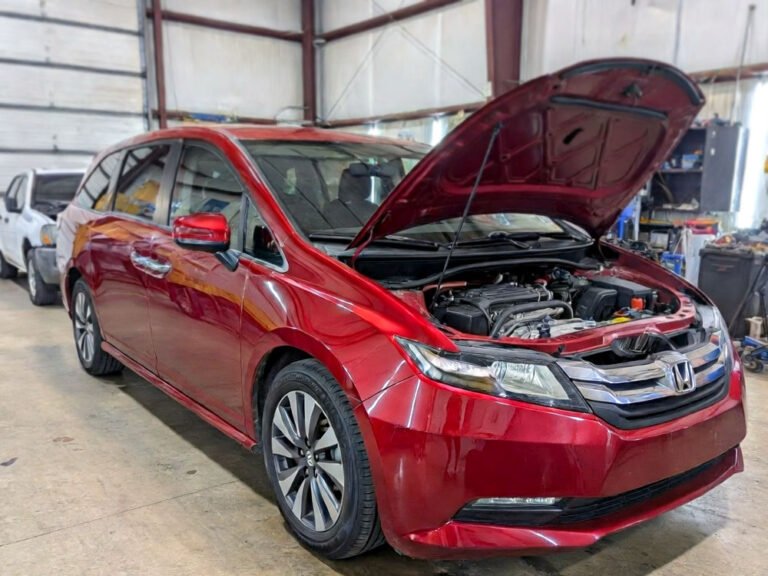
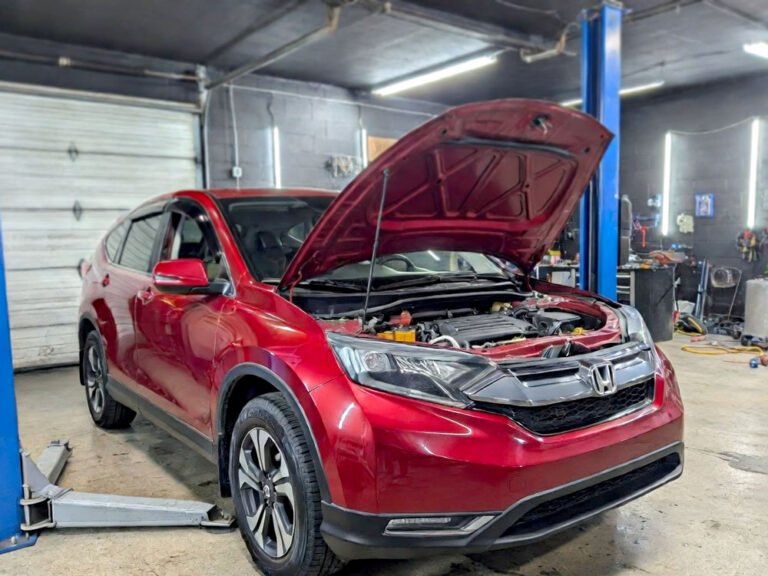
Next, pop the hood and secure it with the support rod. Take a moment to look around. You do not need to rush. Knowing where things are helps you feel more in control. The back of the headlight assembly sits near the front corners of the engine bay. You will see wires leading into a round or square plastic cover. That is your target area. Make sure your hands are clean and dry. Oil or dirt can cause trouble later if it gets on the bulb.
Safety also means using the right parts. Check your owner manual or the old bulb to confirm the correct bulb type. Using the wrong one can lead to poor lighting or warning lights on the dash. Keep the new bulb nearby but leave it in the package for now. Staying calm and prepared at this stage sets the mood for the rest of the work.
- Park on flat ground and shut off the engine
- Let the headlights cool down fully
- Open and secure the hood properly
- Locate the back of the headlight housing
Finding the Headlight Bulb Area
Once the hood is open, your next move is finding the exact spot where the bulb sits. On most Honda Accord models, the headlight bulb is accessed from behind the headlight assembly. Stand in front of the car and look down into the engine bay. Follow the headlight lens inward. You will notice a bundle of wires leading to a plastic socket or dust cover. This is where the bulb lives.
Space can feel tight, especially on newer models with packed engine bays. Take a breath and work slowly. You may need to move a small cover or shift a hose slightly to reach the bulb area. These parts are designed to flex a bit, so gentle movement is fine. Avoid forcing anything. If it does not move with light pressure, stop and look again.
Lighting helps a lot here. A small flashlight or your phone light can make things clear fast. Once you clearly see the connector and bulb holder, you are ready to move on. Getting familiar with the layout now will prevent mistakes later. The goal is to know exactly what you are touching before you touch it.
- Look behind the headlight assembly
- Follow the wires to the bulb socket
- Use light to see clearly in tight spaces
- Avoid forcing nearby parts
Removing the Old Headlight Bulb
With the bulb area in sight, it is time to take the old one out. Start by unplugging the electrical connector. Hold the connector, not the wires, and pull it straight back. Some connectors have a small tab you need to press first. Do this gently. Once unplugged, set the connector aside where it will not fall back into place.
Next comes the bulb holder or dust cover. Depending on the Accord year, this may twist off or pull straight out. Turn it counterclockwise if it twists. You should feel it loosen and come free. Inside, the bulb will either be attached to the holder or sit locked in place. Carefully release it by twisting or unclipping it, again using light pressure.
Now the bulb is free. Pull it out slowly and take a look at it. You might see a dark spot or broken filament inside the glass. That confirms the problem. Keep this old bulb away from kids and pets. Place it somewhere safe until you can throw it away properly. Removing the bulb without rushing helps protect the housing from damage.
- Unplug the electrical connector carefully
- Remove the bulb holder or cover gently
- Release and remove the old bulb
- Set the old bulb aside safely
Installing the New Headlight Bulb
This part is where attention really matters. Take the new bulb out of its package while holding the base only. Avoid touching the glass. Skin oil can shorten bulb life and cause uneven light. If the glass does get touched, wipe it clean with a soft cloth before installing.
Line up the new bulb with the socket. It will only fit one way, so do not force it. Once aligned, insert it smoothly and lock it into place by twisting or clipping it, depending on the design. You should feel it sit firmly. A loose bulb can flicker or fail early, so make sure it feels secure.
After the bulb is locked in, reinstall the dust cover or bulb holder. Twist it back into position until snug. Then reconnect the electrical connector. Push it on until you feel or hear a soft click. Take a moment to double check everything feels tight and stable. This careful install helps the bulb last longer and shine bright.
- Hold the bulb by the base only
- Insert and lock the new bulb properly
- Secure the cover or holder again
- Reconnect the power plug firmly
Testing the Headlight Before Closing Up
Before closing the hood, testing the light is a must. Turn the key to the on position and switch on the headlights. Step out and look at the front of the car. The new headlight should glow bright and steady. Compare it to the other side to make sure the color and brightness match closely.
If the light does not turn on, do not panic. Turn everything off and recheck the connector and bulb seating. Most issues come from a loose plug or misaligned bulb. Fixing it now saves time later. Once the light works as expected, switch off the headlights again.
This is also a good moment to check the other headlight. If one bulb went out, the other may not be far behind. Replacing both can keep the lighting even and avoid another repair soon. Once satisfied, you are ready to wrap things up.
- Turn on headlights to test the bulb
- Check brightness and color match
- Recheck connections if needed
- Consider checking the other side too
Closing the Hood and Final Check
With the headlight working properly, it is time to finish the job. Turn off the engine and lights if they are on. Make sure no tools or loose items are left in the engine bay. Take a quick look around to confirm everything is back in place as it was before.
Lower the hood slowly and press it down until it latches securely. Give it a light pull to confirm it is fully closed. Now step back and admire the result. That clear beam means safer night drives and better road visibility. It also feels good knowing you handled this on your own.
Take the car for a short drive after dark if possible. This lets you see how the new bulb performs on the road. If the light pattern looks even and strong, the job is done right. Small repairs like this build confidence and keep your Accord running strong.
- Remove any tools from the engine bay
- Close and secure the hood
- Check headlight alignment at night
- Enjoy a brighter drive
Final Thoughts
Changing a headlight bulb on a Honda Accord is a solid skill to have. It saves time, keeps money in your pocket, and makes night driving safer. With patience and care, this task becomes part of normal car upkeep. Once you do it once, the next time feels even smoother and faster.
| Item | Details | Notes |
|---|---|---|
| Bulb Type | Halogen or LED depending on model | Check old bulb for match |
| Tools Needed | Gloves, flashlight | Basic items only |
| Access Point | Behind headlight housing | Engine bay area |
| Common Issue | Tight space | Work slowly |
| Test Time | Before closing hood | Always confirm |
| Replacement Time | About 20 minutes | Varies by experience |
| Safety Tip | Do not touch bulb glass | Prevents damage |
Frequently Asked Questions (FAQs)
Is it safe to change a headlight bulb by myself?
Yes, it is safe when done carefully. Make sure the engine is off and the headlights are cool. Work slowly and avoid forcing parts. Many car owners handle this job at home without issues. Using gloves and good lighting adds extra comfort and control during the process.
Can I drive with one headlight out?
You can, but it is not a good idea. Driving with one headlight reduces visibility and makes it harder for others to see you. In many places, it can also lead to a ticket. Replacing the bulb quickly keeps you safer and avoids unwanted trouble.
Do I need special tools for this job?
No special tools are needed for most Honda Accord models. A flashlight helps a lot, and gloves protect your hands and the bulb. Everything else is usually hand operated. This is one reason many people choose to do it themselves.
Is it normal for headlights to look different after replacement?
Sometimes, yes. A new bulb can look brighter or slightly different in color compared to an older one. This is normal wear. If the difference is noticeable, replacing both bulbs can balance the look and improve overall lighting.
Can I use LED bulbs instead of halogen?
Some models allow LED upgrades, but it depends on the headlight housing. Using bulbs not designed for the housing can cause poor beam pattern. Always check compatibility first to avoid glare or reduced road visibility.
Do I need to replace both headlights at once?
It is not required, but it is often a good idea. If one bulb failed, the other may be close behind. Replacing both saves time later and keeps the light output even on both sides.
Is it okay to touch the bulb glass by accident?
If it happens, clean the glass with a soft cloth before installing. Oil from skin can shorten bulb life. Being careful from the start helps avoid this issue and keeps the bulb working longer.
Can this process damage my car?
When done gently, it will not damage anything. The key is not forcing parts and making sure everything goes back correctly. Taking your time and paying attention keeps the car in great shape.